

Now Reading: Trump’s Softer Tone on India Signals a Strategic Reset with Modi at the Center
-
01
Trump’s Softer Tone on India Signals a Strategic Reset with Modi at the Center

Trump’s Softer Tone on India Signals a Strategic Reset with Modi at the Center

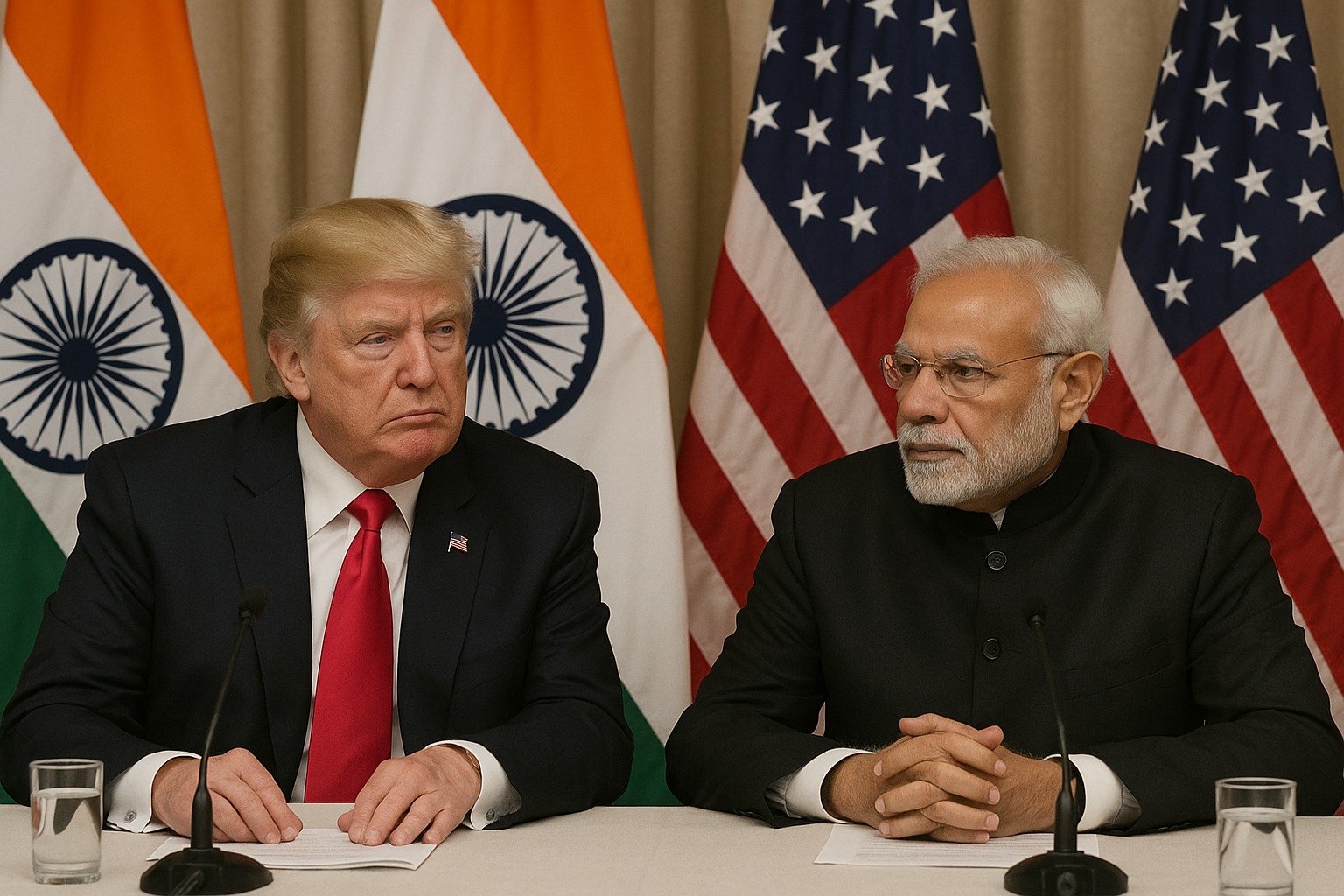
In recent weeks, U.S. President Donald Trump’s rhetoric toward India has shifted from sharp criticism to cautious warmth. What appeared to be trade-related friction is now giving way to a more measured approach, particularly toward Prime Minister Narendra Modi. Former diplomats suggest this change reflects both political calculations in Washington and the hard reality of global geopolitics.
The Editorial Team of Behind The Headlines explores why Trump’s tone has softened, what role Modi’s diplomacy has played, and how this shift may impact the future of India-U.S. relations.
From Harsh Words to Recalibration
Earlier this year, Trump openly criticized India’s trade policies, tariffs, and market restrictions. His administration had threatened higher tariffs on Indian imports and raised concerns about intellectual property practices. The sharp language was seen as part of his broader “America First” policy.
But in the past month, a noticeable softening has emerged. Trump now emphasizes friendship with India, repeatedly mentioning personal respect for Prime Minister Modi. According to a former senior diplomat, this signals a realization that alienating India could backfire in both strategic and economic terms.
Why Trump Is Changing His Approach
Several factors explain Trump’s recalibration toward India:
- Geopolitical Necessity: With tensions rising with China and Russia, Washington cannot afford friction with New Delhi, a potential counterweight in Asia.
- Economic Calculations: India remains a massive market for U.S. companies, from defense to technology. Prolonged hostility could harm American businesses.
- Political Optics: Trump’s campaign advisors reportedly see value in showcasing strong international friendships, especially with leaders like Modi who command global respect.
- Diplomatic Engagements: Backchannel talks between Indian and U.S. officials are believed to have lowered tensions and set the stage for more cooperative messaging.
Modi’s Diplomatic Role
Prime Minister Modi has been instrumental in managing the shifting dynamics with Washington.
- He avoided escalating Trump’s early criticisms, instead choosing diplomatic restraint.
- Modi emphasized India’s contributions to global trade and security during recent speeches, underlining India’s reliability as a partner.
- His outreach to American business leaders and Indian diaspora groups in the U.S. created pressure on Trump to ease his rhetoric.
A former diplomat noted that Modi’s personal relationship-building has been a consistent factor in smoothing rough patches with past American leaders as well.
Voices from Diplomacy
The softened tone has not gone unnoticed among experts. A retired Indian envoy observed that Trump may have “realized he was wrong” in overestimating America’s leverage and underestimating India’s importance. Another analyst said Washington now sees that cooperation, not confrontation, is the only sustainable approach with New Delhi.
Impact on Bilateral Relations
This change in rhetoric could lead to tangible outcomes:
- Trade Negotiations: A more constructive climate may revive stalled talks on market access and tariff reductions.
- Defense Partnerships: With U.S. firms already major suppliers of military hardware, friendlier ties could accelerate joint defense projects.
- Technology Collaboration: Areas like AI, 5G, and cybersecurity are expected to see deeper cooperation.
- Strategic Alliances: Both countries may strengthen their engagement through platforms like the Quad, which involves Japan and Australia.
Challenges That Remain
Despite the improved tone, unresolved issues persist:
- India remains cautious about U.S. protectionist policies that may reappear.
- Washington expects India to take clearer stances on global conflicts, particularly involving Russia and Ukraine.
- Differences in climate commitments and intellectual property remain areas of friction.
Thus, the softer rhetoric is not an end but a step toward rebuilding trust.
Domestic Politics in the U.S.
Trump’s recalibration may also be linked to domestic political considerations.
- Indian-American voters, a growing demographic, could play a role in upcoming elections.
- Business lobbies in the U.S. are pressing for smoother ties with India to access its consumer base.
- Presenting himself as a leader who mends relationships could appeal to moderate voters.
India’s Perspective
In New Delhi, the softened tone is being welcomed cautiously.
- Policymakers see it as validation of India’s rising global clout.
- However, there is recognition that U.S. foreign policy under Trump remains unpredictable.
- India is pursuing a balanced strategy, engaging with both the U.S. and other powers like Russia and China.
Conclusion
Trump’s softened rhetoric toward India reflects a pragmatic shift rather than a sudden change of heart. It underscores India’s growing weight in the global order and Modi’s ability to navigate complex international relationships. While challenges remain, the reset provides an opening for stronger cooperation in trade, defense, and strategic affairs.
The Editorial Team of Behind The Headlines will continue to track how this evolving equation shapes not just India-U.S. relations but also the broader balance of power in Asia and beyond.
Related Posts

Stay Informed With the Latest & Most Important News
Previous Post
Next Post


Advertisement








Advertisement