

Now Reading: Trump Signals Tougher Sanctions on Russian Oil Buyers, Second Phase Could Hit Global Energy Trade
-
01
Trump Signals Tougher Sanctions on Russian Oil Buyers, Second Phase Could Hit Global Energy Trade

Trump Signals Tougher Sanctions on Russian Oil Buyers, Second Phase Could Hit Global Energy Trade

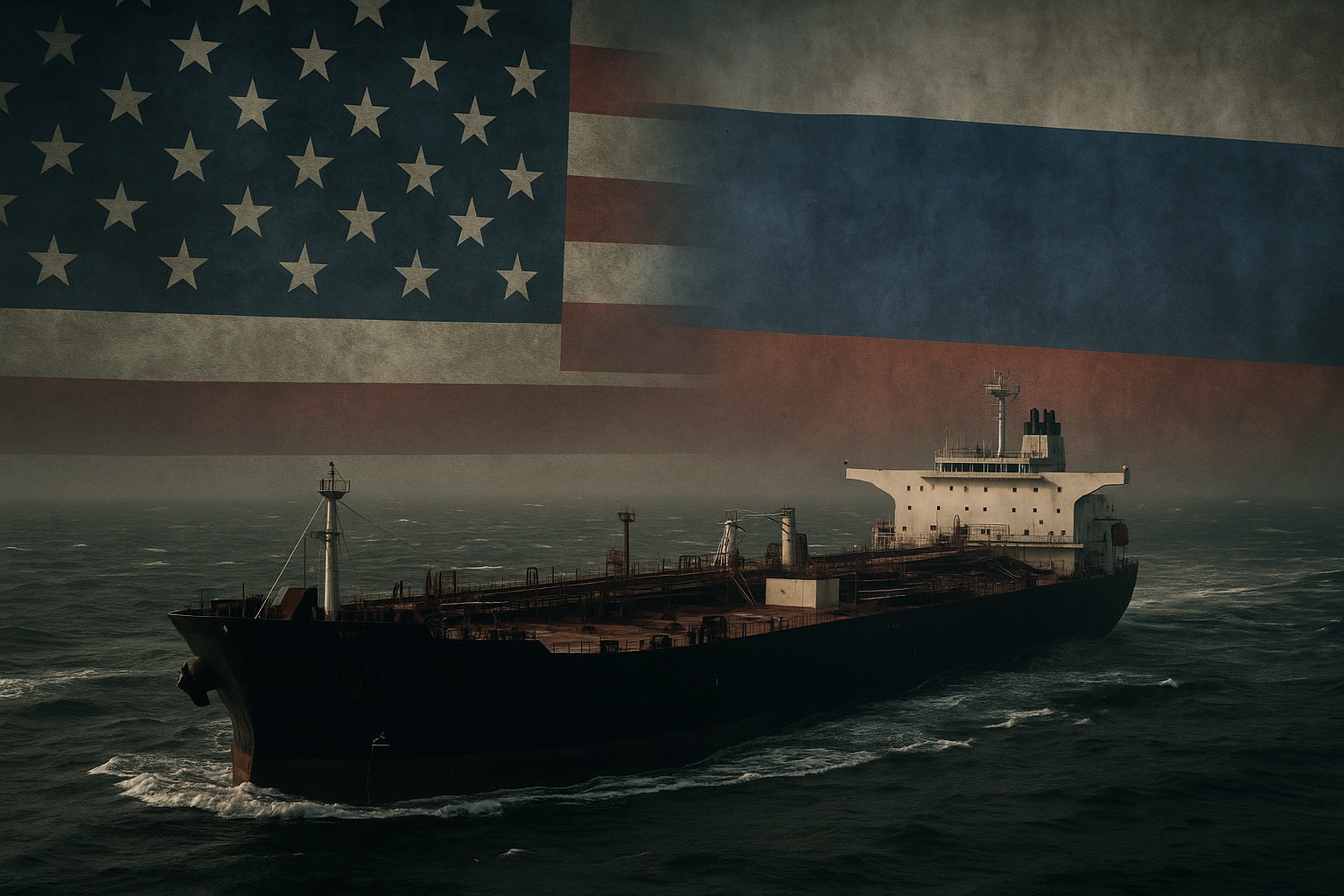
U.S. President Donald Trump has confirmed that his administration is preparing a “second phase” of sanctions targeting countries that continue to purchase oil from Russia. The move, announced during a briefing in Washington, signals an escalation in America’s efforts to isolate Moscow economically after its prolonged conflict with Ukraine.
The Editorial Team of Behind The Headlines examines what the new phase of sanctions could mean for global energy markets, how countries like India and China may be affected, and why this development could reshape geopolitical alignments.
The First Phase of Sanctions: A Recap
Since Russia’s military actions in Ukraine, the United States and its allies have imposed sweeping restrictions on Moscow’s banking, defense, and energy sectors.
- The first phase of sanctions included bans on Russian oil imports into the U.S. and Europe.
- Western nations imposed price caps on Russian crude, limiting its sale above $60 per barrel.
- Secondary sanctions were used to discourage financial institutions and shipping companies from facilitating Russian oil trade.
Despite these steps, Russia managed to reroute much of its oil exports to Asia, particularly India and China, softening the impact.
What Trump’s “Second Phase” Means
Trump’s announcement suggests that the next wave of sanctions will go beyond previous restrictions.
- Countries continuing to buy Russian oil could face penalties.
- Sanctions may target financial systems, insurance providers, and shipping operators involved in transporting Russian crude.
- Unlike the earlier phase, which relied heavily on Western allies, this move could be aimed at non-Western buyers, raising diplomatic tensions.
Trump emphasized that “no one should profit from funding Russia’s war machine,” framing the sanctions as a moral and strategic imperative.
Implications for India
India has become one of the largest buyers of discounted Russian oil since the Ukraine war began. This strategy allowed New Delhi to manage inflation and secure affordable energy supplies.
- If U.S. sanctions expand, Indian refiners could face restrictions in global financial markets.
- Banks and insurers handling Russian oil shipments may withdraw under American pressure.
- Indian policymakers will be forced to weigh the cost of defying Washington against the economic benefits of cheap crude.
Experts say New Delhi may seek middle ground, negotiating exemptions while continuing diversification of imports from West Asia, Africa, and the U.S. itself.
China’s Position
China, another major importer of Russian oil, may also face challenges.
- Beijing has supported Moscow politically while avoiding direct violation of U.S.-led sanctions.
- Tougher restrictions could test China’s willingness to openly defy Washington.
- Given ongoing U.S.-China trade disputes, sanctions could deepen geopolitical rifts.
China is likely to resist U.S. pressure but may use state-backed institutions to shield its companies from penalties.
The Global Oil Market Impact
A second phase of sanctions could destabilize already fragile global energy markets.
- Oil prices may spike if buyers reduce imports from Russia.
- Supply chains could be disrupted, with tanker insurance and shipping lines withdrawing.
- OPEC+ dynamics may shift as Russia struggles to maintain production levels.
For consumers worldwide, this could mean higher fuel prices and inflationary pressure at a time when many economies are just recovering.
Reactions from U.S. Allies
European allies, while aligned with Washington on sanctions, may hesitate on broader enforcement against non-Western countries.
- Europe’s energy dependence on alternative suppliers remains delicate.
- Sanctions on India or China could complicate diplomatic relations at a time when Western nations seek their cooperation in global issues.
Some analysts believe Washington may adopt a selective enforcement approach, using sanctions as leverage rather than blanket punishment.
Can Sanctions Achieve Their Goal?
The effectiveness of sanctions remains debated.
- Russia has shown resilience by redirecting trade flows.
- Sanctions often hurt ordinary citizens more than political elites.
- Secondary sanctions could alienate partners like India, undermining U.S. influence.
Still, Trump appears determined to tighten pressure, betting that economic isolation will erode Moscow’s ability to sustain its war.
India’s Balancing Act
For India, this development poses a familiar but tougher challenge.
- Maintaining affordable energy is vital for growth and inflation control.
- At the same time, New Delhi values its strategic partnership with Washington, especially in defense and technology.
- India may use diplomatic channels to secure waivers or flexibility, similar to its past negotiations over Iranian oil sanctions.
Ultimately, India’s response will reflect its priority of safeguarding energy security while avoiding direct confrontation with the U.S.
Conclusion
Trump’s declaration of a “second phase” of sanctions against countries buying Russian oil marks a significant escalation in U.S. foreign policy. It places major importers like India and China under the spotlight, raises questions about global energy stability, and underscores the complexities of geopolitics in an interconnected world.
The Editorial Team of Behind The Headlines will continue tracking this evolving story, providing readers with fact-verified analysis on how these sanctions could reshape global trade and diplomatic alignments.
Related Posts


Stay Informed With the Latest & Most Important News


Advertisement





Advertisement
