Now Reading: TRAI Rejects Allegations of SMS Blockade, Says Political Messaging Was Never Curbed
-
01
TRAI Rejects Allegations of SMS Blockade, Says Political Messaging Was Never Curbed

TRAI Rejects Allegations of SMS Blockade, Says Political Messaging Was Never Curbed

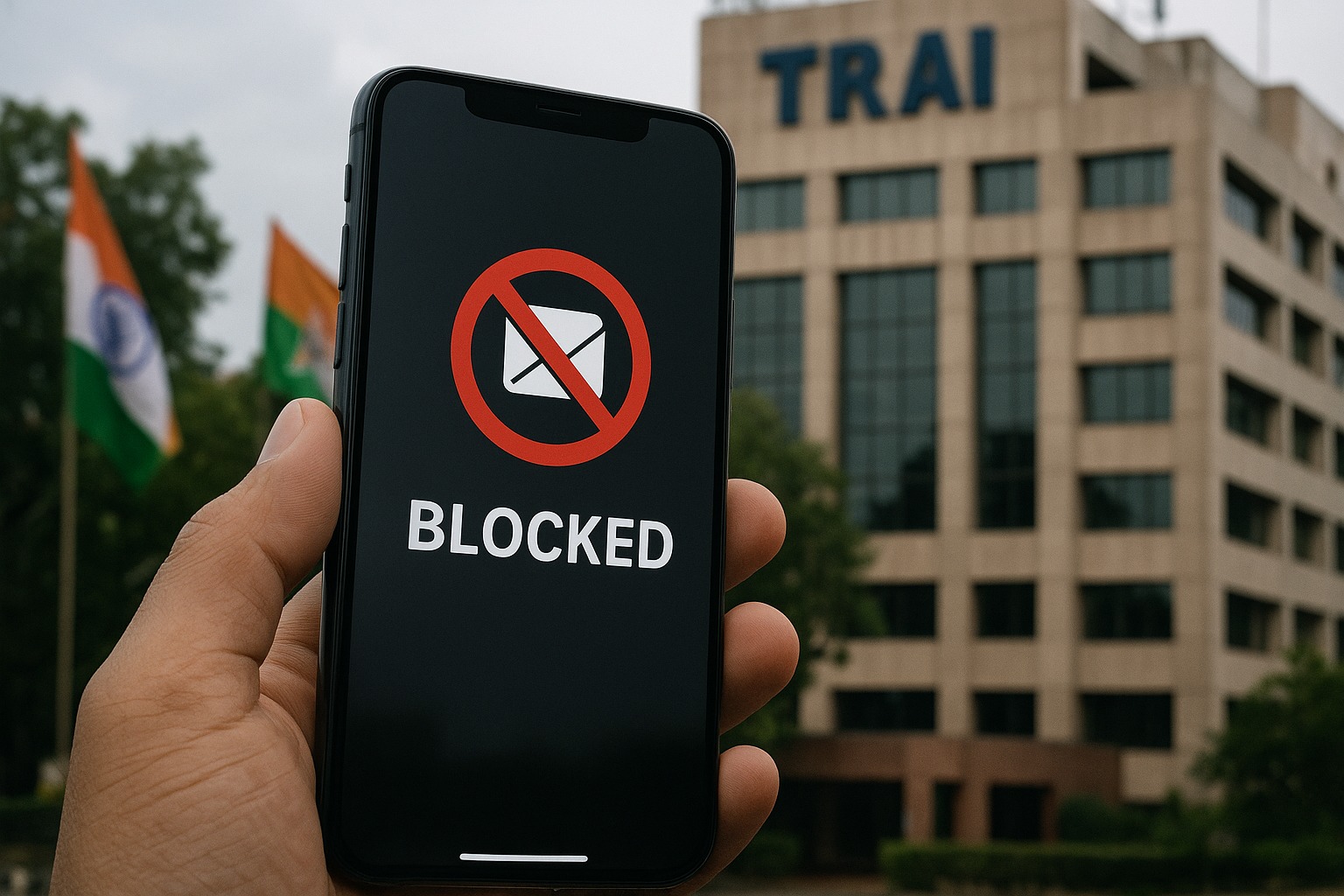
The political season in India is heating up ahead of the Bihar and other upcoming elections. In the latest flashpoint, the Congress party accused the Telecom Regulatory Authority of India (TRAI) of blocking its SMS-based outreach to voters. TRAI, however, issued a sharp denial, insisting that the regulator neither blocked nor interfered with political parties’ mass messaging systems.
This controversy has now ignited debates around digital campaigning, the role of regulators, and whether political communication can be influenced by technical or administrative barriers. The Editorial Team of Behind The Headlines looks at the claims, the denials, and what this clash means for India’s democracy in the digital age.
The Congress Allegation
Congress leaders alleged that their bulk SMS campaigns—designed to connect with voters in Bihar and other parts of India—were blocked, restricting their ability to reach supporters.
- Party officials argued that mass messaging has become a vital campaign tool, especially in regions where internet penetration is uneven.
- They claimed SMS services failed during peak outreach moments, weakening their communication with grassroots workers and voters.
- Some Congress spokespersons went as far as suggesting “political interference” in the functioning of TRAI.
The charge, unsurprisingly, created a storm on social media and quickly made its way into mainstream headlines.
TRAI’s Response
TRAI swiftly denied the allegations.
- In an official statement, the regulator clarified that it had not issued any directive to block political SMS campaigns.
- Officials explained that any disruption could have been caused by telecom operators’ internal systems or traffic congestion, not regulatory action.
- TRAI reiterated its role as a neutral authority tasked with ensuring compliance with established norms, not with influencing political communication.
The denial was firm, aiming to restore confidence that the regulator remains independent and transparent.
The Importance of SMS in Political Campaigning
In an era dominated by social media, SMS continues to play a powerful role in India’s election strategies.
- SMS is seen as more reliable than internet-based apps in rural areas.
- Campaigns use SMS for voter reminders, policy announcements, and candidate introductions.
- Unlike WhatsApp or Facebook, SMS messages do not require smartphones or data, making them a mass tool for outreach.
Blocking such a channel, if it had occurred, would have significantly hindered any party’s ability to mobilize.
The Broader Political Narrative
The Congress’ charge against TRAI also fits into a larger narrative of distrust.
- Opposition parties often allege that institutions are being influenced by the ruling establishment.
- Even unverified claims can fuel voter perceptions, which makes this controversy politically potent.
- The ruling government and TRAI’s denial have turned the issue into a “he said, she said” battle, further polarizing the political climate.
Technical Challenges in Bulk Messaging
Experts highlight that bulk messaging systems face practical challenges:
- Network Congestion: During festivals, emergencies, or election rallies, telecom networks can get overloaded.
- Spam Filters: Carriers often filter mass messages to curb spam and fraudulent activity.
- Compliance Protocols: Messages must comply with DLT (Distributed Ledger Technology) systems, which authenticate senders to prevent misuse.
In this light, disruptions may have technical explanations rather than political motives.
Why TRAI’s Independence Matters
The credibility of regulators like TRAI is crucial in a democracy.
- If voters believe political messaging can be selectively blocked, it undermines trust in the electoral process.
- TRAI must not only remain impartial but also be perceived as impartial.
- Transparency in communication, as demonstrated in this denial, is essential for maintaining institutional trust.
The Consumer Perspective
For ordinary citizens, this controversy underscores the importance of free and fair access to information.
- Voters expect to hear from all parties to make informed choices.
- Any disruption in communication—real or perceived—creates doubts about electoral fairness.
- As political campaigns become more digital, the line between technical glitches and deliberate interference will remain thin in the public eye.
What Comes Next
This controversy may not end quickly.
- Congress could push for further investigations or parliamentary discussions.
- Telecom operators may be asked to provide detailed logs of SMS traffic.
- Civil society groups could demand audits of digital campaigning tools to ensure neutrality.
For TRAI, the task ahead is twofold: continue regulating with neutrality and proactively build public trust by increasing transparency in how communication systems are managed during elections.
Conclusion
The clash between the Congress and TRAI over alleged SMS blocking highlights the tensions at the intersection of politics, technology, and regulation. While TRAI has denied any wrongdoing, the controversy has already fed into opposition narratives and voter skepticism.
The Editorial Team of Behind The Headlines believes this episode serves as a reminder that in the digital age, regulators must not only be independent but also be seen to be independent, especially when elections are on the horizon. Free flow of information remains the cornerstone of democracy—and even minor disruptions can trigger major political storms.
Related Posts


Stay Informed With the Latest & Most Important News
Previous Post
Next Post
Advertisement