Now Reading: Nepal Ends Social Media Ban Amid Gen Z Protests That Turned Deadly
-
01
Nepal Ends Social Media Ban Amid Gen Z Protests That Turned Deadly


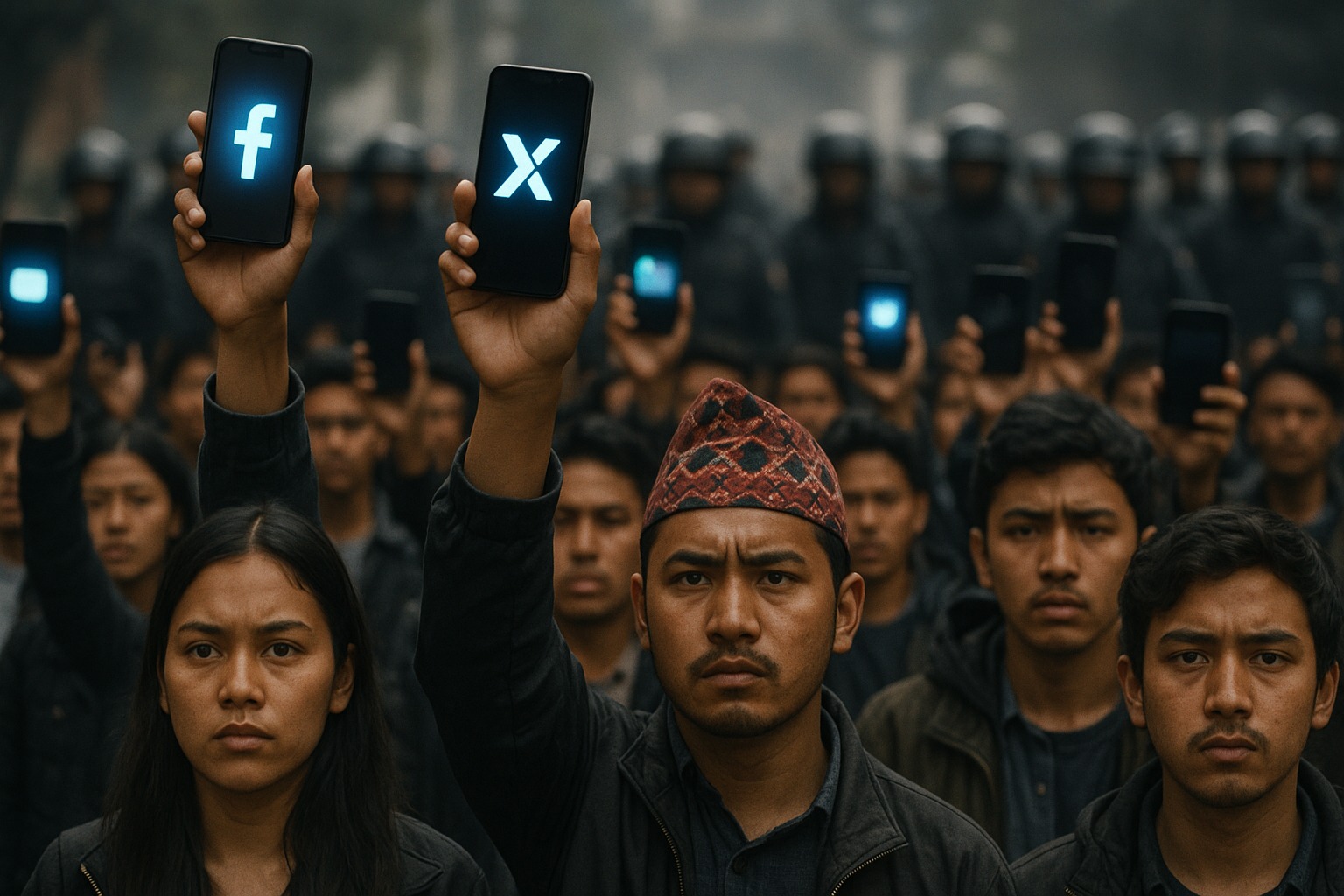
Nepal is witnessing one of its most turbulent youth-driven protest waves in recent memory. After days of demonstrations led primarily by Gen Z activists, the government has lifted its controversial social media ban that was imposed during the unrest. The protests, which left 19 dead and more than 400 injured, have raised fundamental questions about state accountability, youth disenchantment, and the role of digital platforms in democratic expression.
The Editorial Team of Behind The Headlines examines how the protests unfolded, what triggered the violence, why the ban failed to calm tensions, and what the lifting of restrictions means for Nepal’s fragile democracy.
How the Protests Erupted
The demonstrations began as small gatherings of students and young workers in Kathmandu, demanding greater employment opportunities, transparency in governance, and reforms in corruption-plagued institutions.
- The protests quickly spread beyond the capital to major cities such as Pokhara, Biratnagar, and Nepalgunj.
- Social media platforms like TikTok, Instagram, and X (formerly Twitter) became crucial organizing tools, with hashtags amplifying calls for street action.
- What started as peaceful marches escalated into clashes with security forces after authorities attempted to disperse crowds using batons, tear gas, and eventually live ammunition in some hotspots.
The toll: 19 protesters dead, over 400 injured, and hundreds arrested.
Why Gen Z is at the Forefront
Nepal’s demographic reality explains the intensity of youth participation:
- Over 40% of Nepal’s population is under the age of 25.
- Gen Z faces rising unemployment, limited access to higher education, and disillusionment with the political class.
- For many, social media has become the only space to vent frustrations and mobilize peers.
Unlike older generations, these protests reflect a digital-first activism style—quickly organized, leaderless in form, but powerful in reach.
The Government’s Response and the Social Media Ban
In a bid to curb the unrest, the Nepal government announced a nationwide suspension of social media platforms, arguing that they were being misused to spread misinformation and incite violence.
- The ban covered TikTok, Instagram, Facebook, and X, impacting millions of users.
- Authorities justified the move as a temporary measure to restore law and order.
- However, VPN downloads surged as young Nepalis bypassed restrictions, further fueling anger against the state.
Critics argued that the ban was less about curbing violence and more about silencing dissent.
Violence and Fatalities
The intensity of the clashes shocked many observers.
- Videos circulated showing police charging unarmed students and protesters hurling stones at armed security forces.
- Hospitals in Kathmandu reported treating dozens of young people with bullet wounds and tear gas exposure.
- Families of the deceased accused the government of excessive use of force, demanding accountability and independent investigations.
International human rights groups have condemned the deaths, calling for restraint and urging Nepal to respect the right to peaceful assembly.
Why the Ban Was Lifted
After nearly a week of blackout and rising criticism at home and abroad, the government reinstated access to social media platforms.
- Authorities admitted the ban failed to stop mobilization, as protesters found alternative communication tools.
- Businesses, particularly small enterprises dependent on social media marketing, lobbied for restoration.
- Global pressure mounted, with watchdogs labeling the blackout as a dangerous precedent for censorship.
By lifting the ban, the government hopes to cool tensions, but the damage to its credibility may be long-lasting.
The Larger Political Message
This unrest has implications far beyond Nepal’s borders.
- It highlights how deeply intertwined social media is with political mobilization in South Asia.
- It underscores the generational divide: while older leaders lean on traditional politics, youth are rewriting rules through digital platforms.
- For Nepal, struggling with fragile coalitions and economic instability, this unrest signals that youth discontent cannot be sidelined.
The protests also raise questions for neighboring democracies on how states should balance law and order with digital freedoms.
What Next for Nepal?
The lifting of the ban is only a temporary balm. The real challenge lies ahead:
- Can the government engage in meaningful dialogue with youth representatives?
- Will reforms on jobs, education, and governance actually materialize?
- How will the opposition parties, some of which have voiced support for the protests, channel this energy into the political mainstream?
For Nepal’s Gen Z, this movement is less about short-term anger and more about long-term aspirations for dignity, fairness, and opportunity.
Conclusion
The Nepal Gen Z protests have revealed the simmering frustrations of a generation unwilling to accept the status quo. The social media ban and its lifting symbolize a state caught between control and freedom in a digital era.
The Editorial Team of Behind The Headlines concludes that Nepal’s leaders face a decisive moment: either listen to the voices of its youth or risk deeper instability. With 19 dead and hundreds injured, the message is clear—ignoring the aspirations of a connected, restless generation is no longer an option.
Related Posts
Stay Informed With the Latest & Most Important News
Previous Post
Next Post
Advertisement