

Now Reading: Jimmy Kimmel Show Suspended After FCC Warning Over Charlie Kirk Comment
-
01
Jimmy Kimmel Show Suspended After FCC Warning Over Charlie Kirk Comment


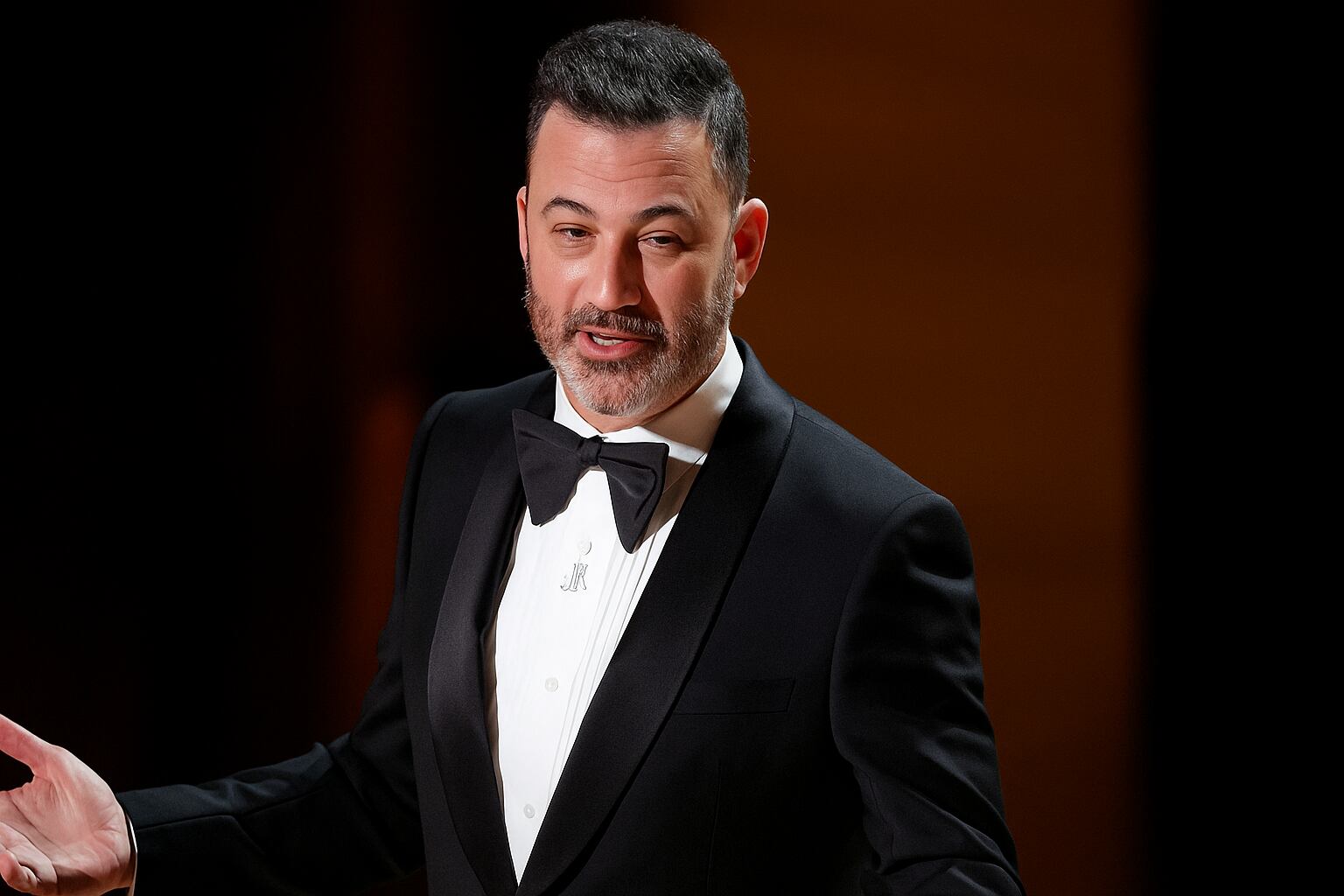
Late-night television has long been a space for sharp humor, satire, and political commentary. But on September 17, 2025, the line between free speech and regulatory boundaries blurred when Jimmy Kimmel Live was suspended following threats from the Federal Communications Commission (FCC). The controversy erupted after Kimmel’s on-air response to conservative commentator Charlie Kirk sparked official scrutiny.
The suspension has reignited debates on freedom of expression, media responsibility, and the influence of politics in entertainment. For audiences and the television industry, the move has raised larger questions: Where should the limits of satire end, and what precedent does this set for late-night television?
What Triggered the Suspension?
The controversy began when Jimmy Kimmel, during a live segment, made a pointed remark about Charlie Kirk, a well-known conservative figure. While late-night comedy often thrives on sharp political takes, this comment reportedly drew complaints that prompted the FCC to intervene.
The Commission issued a warning to the network, suggesting potential penalties if similar broadcasts continued. In response, the network took the decision to temporarily pull Jimmy Kimmel Live off the air.
(Read also: Free speech debates in U.S. television, Media controversies in recent years)
FCC’s Stand: Regulation or Overreach?
The FCC’s involvement highlights the delicate balance broadcasters must maintain between entertainment and public standards of decency. Officials argued that the comment in question crossed regulatory lines, sparking concerns about offensive or defamatory speech being aired on national television.
Critics, however, have questioned whether this move represents necessary regulation or political overreach. Media experts argue that late-night hosts like Kimmel operate within the space of satire, which has historically been protected as free expression.
Reaction From Hollywood and Public Figures
The suspension drew swift reactions from Hollywood and beyond. Supporters of Kimmel called the decision an attack on creative freedom, while conservative voices welcomed the FCC’s strong stance, claiming accountability was overdue.
Several late-night peers, including Stephen Colbert and Seth Meyers, expressed concern that such action could set a chilling precedent. On social media, hashtags supporting both Kimmel and the FCC trended, reflecting the deep political divides in the U.S.
(Related: Impact of politics on entertainment)
The Bigger Debate: Free Speech vs. Broadcast Responsibility
At the heart of the controversy is the ongoing clash between freedom of expression and broadcast responsibility. U.S. law protects satire and parody, but broadcast networks operate under FCC oversight, making them more vulnerable to penalties.
If political pressure continues to dictate content, some worry that late-night comedy could lose its edge, becoming cautious and bland. Others argue that boundaries are necessary to prevent abuse of platform.
This debate is not new but gains urgency as television competes with digital platforms like YouTube, where content creators often face fewer restrictions.
Impact on the Television Industry
Jimmy Kimmel Live is one of America’s most popular late-night programs, and its sudden suspension sends shockwaves across the entertainment industry. For networks, the incident raises questions about compliance, legal risk, and the cost of controversy.
Industry insiders suggest that advertisers may also hesitate to associate with politically charged shows, creating financial pressure on networks. This could accelerate a shift toward safer, less confrontational programming.
The Road Ahead for Kimmel and Late-Night TV
For Jimmy Kimmel, the suspension is both a setback and an opportunity. While critics may use this moment to discredit him, supporters see it as proof of his relevance in America’s cultural debates.
As discussions continue, one thing is certain: the controversy will shape the future of late-night television, pushing the industry to rethink how much freedom its hosts truly have.
Conclusion
The suspension of Jimmy Kimmel Live after an FCC threat over comments on Charlie Kirk is more than just a late-night controversy. It reflects a growing clash between politics, free speech, and media regulation in the U.S. As Hollywood rallies and audiences debate, the decision’s long-term impact on creative freedom remains to be seen.
Related Posts


Stay Informed With the Latest & Most Important News
Previous Post
Next Post

Advertisement







Advertisement