

Now Reading: Which Country Holds the Most Gold? Global Reserves Explained
-
01
Which Country Holds the Most Gold? Global Reserves Explained


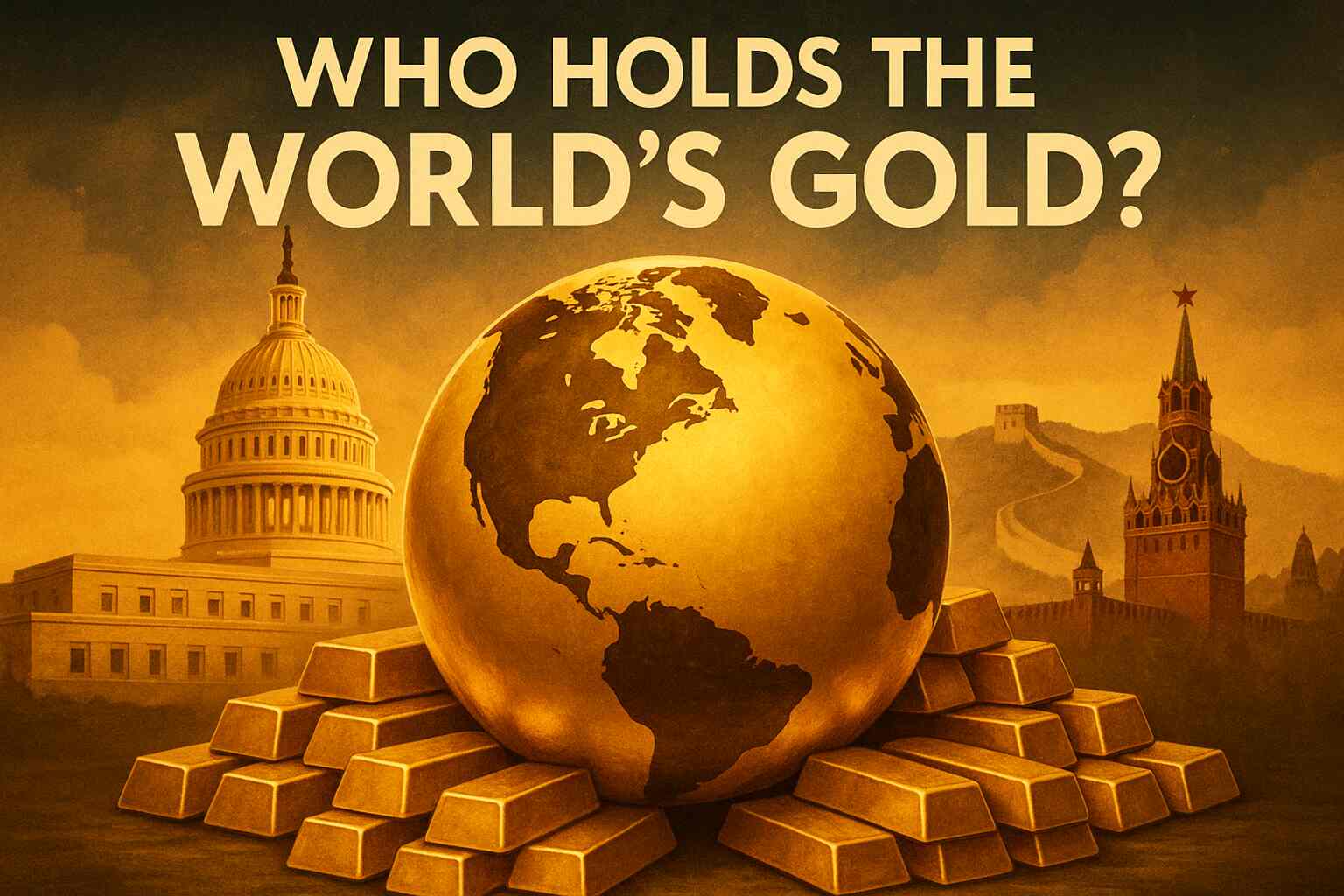
Gold has fascinated civilizations for thousands of years. From ancient kingdoms to modern economies, it has stood as a symbol of wealth, stability, and power. Despite the rise of digital currencies and complex financial systems, central banks across the world continue to rely on gold reserves as a safety net against economic shocks.
But which country holds the most gold? And why does it matter in today’s interconnected financial world? Behind The Headlines dives deep into global gold holdings, the historical reasons behind them, and the geopolitical implications of this precious metal.
Gold Reserves: The Basics
Gold reserves refer to the stockpile of gold held by a nation’s central bank or treasury. These reserves serve as:
- A financial backstop: In times of currency crisis or inflation, gold acts as a hedge.
- An economic weapon: Countries can use gold to strengthen their currencies or reassure investors.
- A geopolitical tool: Holding more gold enhances bargaining power in global forums.
Gold remains timeless because it is tangible, universally accepted, and less prone to devaluation compared to fiat money.
Top 10 Countries with the Most Gold (2025 Estimates)
According to the World Gold Council, here are the current leaders in gold reserves:
- United States – 8,133 tonnes
- Germany – 3,352 tonnes
- Italy – 2,452 tonnes
- France – 2,437 tonnes
- Russia – 2,330 tonnes
- China – 2,235 tonnes
- Switzerland – 1,040 tonnes
- Japan – 846 tonnes
- India – 822 tonnes
- Netherlands – 612 tonnes
The U.S. clearly dominates with a stockpile that is more than double Germany’s, and significantly higher than China or Russia, two nations aggressively adding to their reserves.
Why the United States Tops the List
The U.S. gold dominance dates back to World War II and the Bretton Woods agreement (1944), when the dollar was pegged to gold, making it the world’s reserve currency. Even after the U.S. abandoned the gold standard in 1971, its massive stockpile remained intact.
- Fort Knox in Kentucky and the Federal Reserve Bank of New York house much of this treasure.
- Holding over 8,000 tonnes, the U.S. still owns nearly 25% of all global central bank gold.
- For investors worldwide, America’s gold holdings symbolize trust in the dollar.
Germany: Europe’s Gold Guardian
Germany is the second-largest holder of gold. After the euro crisis, German citizens demanded greater control over their reserves.
- A majority of German gold was stored abroad (especially in the U.S. and France).
- Over the past decade, the Bundesbank repatriated significant amounts to Frankfurt.
- For Germans, gold symbolizes economic security after the hyperinflation nightmare of the 1920s.
Italy and France: Old Powers, Golden Reserves
Italy and France may not have booming economies like China or the U.S., but their gold reserves remain huge.
- Italy’s Banca d’Italia has nearly 2,452 tonnes. Despite political instability, its gold is untouched.
- France holds 2,437 tonnes, reflecting its history as a global colonial and economic power.
These reserves act as shields, especially during eurozone instability.
Russia: Gold as a Sanctions Shield
Russia’s aggressive gold accumulation tells a different story.
- Since 2014, after Western sanctions, Russia reduced its dollar assets and hoarded gold.
- With 2,330 tonnes, Russia uses gold to stabilize its ruble and bypass Western financial pressure.
- Analysts note gold allowed Moscow to absorb shocks from sanctions and war expenses.
Gold here is not just wealth, but a strategic survival weapon.
China: Silent Accumulation for Global Influence
China officially reports 2,235 tonnes, but experts believe its reserves may be higher.
- China often buys gold discreetly through state banks.
- Gold supports the yuan’s credibility in global trade.
- Beijing wants to challenge the U.S. dollar’s supremacy; gold is its ace card.
China also encourages its citizens to buy gold, making the nation the world’s largest gold consumer.
Switzerland and Japan: Financial Stability Anchors
- Switzerland, famous for banking secrecy, holds 1,040 tonnes despite its small size. It shows the nation’s role as a financial safe haven.
- Japan, with 846 tonnes, balances gold alongside massive U.S. treasury holdings, ensuring its economy remains stable despite high debt.
India: A Cultural and Economic Case
India ranks ninth with 822 tonnes, but its story is unique.
- Gold in India is not just an economic asset—it’s cultural wealth.
- Families hold an estimated 25,000 tonnes privately, making India the world’s largest private gold holder.
- For the Reserve Bank of India (RBI), official reserves offer protection against currency shocks, especially as India relies heavily on imports.
Why Do Countries Hoard Gold?
Beyond economics, gold reserves serve deeper purposes:
- Hedge Against Dollar Dominance – Countries like Russia and China diversify away from the dollar.
- Crisis Management – In case of wars, sanctions, or inflation, gold provides liquidity.
- Symbol of Sovereignty – Large reserves reflect independence from foreign financial pressure.
- Public Confidence – Citizens trust governments that hold significant gold.
Global Trends in Gold Buying
- Emerging Markets Lead: Central banks in emerging economies like Turkey, India, and China are the biggest buyers.
- Geopolitical Risks Drive Demand: Conflicts in Ukraine and Middle East instability boosted gold purchases.
- Dollar Weakness: Every time the dollar weakens, central banks buy more gold.
Risks and Criticisms
Not everyone agrees that stockpiling gold is the best strategy.
- Non-yielding asset: Gold doesn’t earn interest or dividends.
- Storage cost: Secure storage costs billions annually.
- Price volatility: Gold prices swing wildly, driven by speculation.
Still, in times of uncertainty, gold remains the ultimate safe haven.
Reactions from Economists and Analysts
- Pro-gold economists argue it gives countries resilience against global shocks.
- Critics say over-reliance on gold can limit investment in productive assets.
- Neutral voices highlight that a balanced mix of gold, forex reserves, and sovereign funds is the best way forward.
Bigger Picture: Gold in a Changing World
Gold is no longer just a precious metal; it is a geopolitical weapon.
- U.S. dominance remains unchallenged, but China and Russia are catching up.
- Developing nations like India and Turkey are also using gold to assert influence.
- In a world of volatile currencies and shifting alliances, gold’s importance may rise even further.
Conclusion: More Than Just a Metal
The question of “Which country holds the most gold?” goes beyond simple numbers. The United States leads, but the race is about more than quantity—it’s about economic security, political influence, and national pride.
Gold is the silent player in global diplomacy. As the world faces inflation, wars, and trade wars, gold reserves will decide which nations can withstand the storms ahead.
Backlinks (Internal Linking)
- India’s economic rise and gold demand explained
- US dollar dominance: Can China challenge it?
- Russia’s sanctions strategy and gold harding
Related Posts



Stay Informed With the Latest & Most Important News
Previous Post
Next Post


Advertisement








Advertisement
