Now Reading: Zelenskyy to Step Down After War With Russia Ends: His Final Goal
-
01
Zelenskyy to Step Down After War With Russia Ends: His Final Goal


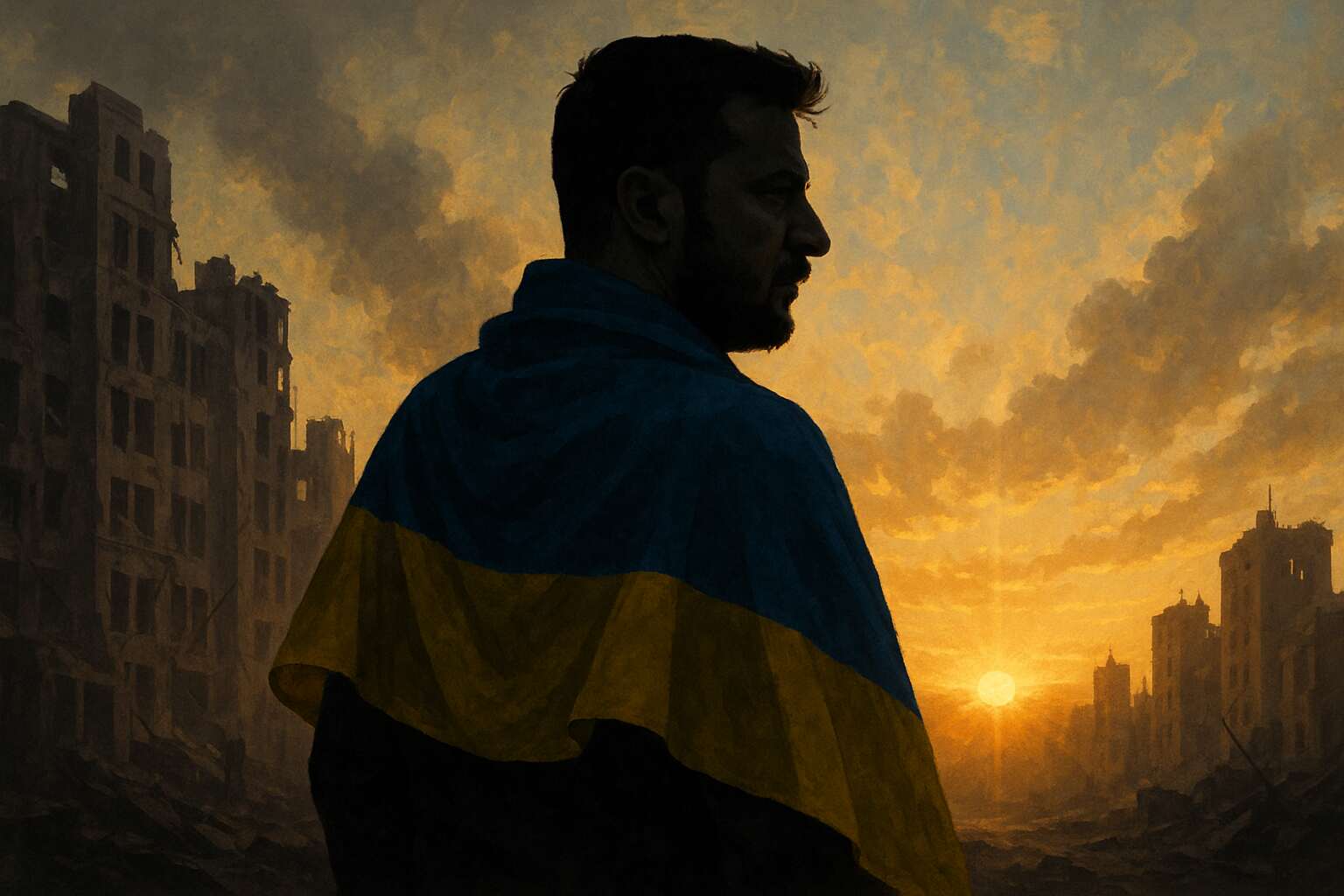
Ukrainian President Volodymyr Zelenskyy has declared that he will step down once the war with Russia comes to an end. The announcement, which carries profound political and emotional weight, signals that his role as a wartime leader is not meant to extend into peacetime governance. Instead, Zelenskyy described his ultimate goal as leading Ukraine to “victory and peace” before handing over power.
The statement reflects both fatigue after years of war and a desire to cement his legacy as the leader who stood firm during the country’s gravest crisis since independence. For Ukraine, and the world watching, the pledge raises questions about succession, stability, and the post-war order.
The journey from actor to wartime president
Before the Russian invasion in February 2022, Zelenskyy was best known as a former comedian and actor who became president in 2019 with a promise to fight corruption and reform governance. The war, however, transformed him from a reformist politician into a global wartime icon.
From refusing evacuation offers in the first days of the invasion to addressing parliaments worldwide, Zelenskyy has become synonymous with Ukrainian resistance. His decision to eventually step aside underlines his belief that leadership during war and leadership in peace may require different hands.
Why he plans to step down after the war
Zelenskyy clarified that his mission has always been tied to Ukraine’s survival and sovereignty. Once the war ends and Ukraine secures peace on its terms, he intends to leave office rather than seek extended power.
Analysts interpret this as an effort to reassure Ukrainians that he is not seeking to build a personal political dynasty. Instead, he wants to embed democratic renewal as part of the nation’s recovery.
(Cliffhanger in Bihar? Survey shows NDA edge)
Ukraine’s political future without Zelenskyy
The announcement opens up a new chapter in Ukraine’s political narrative. While Zelenskyy commands high respect for his wartime leadership, there is growing debate about who could steer the country’s reconstruction, negotiate international alliances, and tackle corruption in a post-war environment.
Opposition parties and civil society groups have already begun speculating about potential successors. Yet, Zelenskyy’s timing—pledging to remain until victory is achieved—ensures that the focus remains on the battlefield, not electioneering.
International reactions to his statement
Zelenskyy’s vow drew attention far beyond Ukraine’s borders. World leaders praised his courage, but some expressed concerns about stability in a fragile post-war phase. Western allies, who continue to provide financial and military aid, are likely to assess Ukraine’s future leadership closely to ensure continuity in policy.
In Moscow, the announcement was viewed as a sign of Ukraine’s determination to outlast Russian aggression, reinforcing the perception that Ukraine will not accept defeat under Zelenskyy’s leadership.
The war’s human cost and political toll
More than three years of conflict have left Ukraine scarred by destruction, displacement, and loss of life. Zelenskyy’s leadership has been defined by daily appeals to international partners and rallying domestic unity. However, the immense pressure has also drawn criticism, with opponents questioning his handling of internal dissent and economic challenges.
By declaring his intention to step down, Zelenskyy may be attempting to separate his personal political future from Ukraine’s long-term recovery. It is a move that underscores the war’s toll not just on the nation, but on its leader as well.
(What triggered Gen Z protests in Leh?)
A legacy tied to Article 21-like values of life and dignity
Though Ukraine’s constitution differs from India’s, Zelenskyy’s stance mirrors the principle seen in democratic frameworks worldwide: the right of citizens to dignity, protection, and a future free of oppression. His vow to prioritize the nation’s survival before his own career strengthens his image as a leader who puts country above self.
Conclusion
Zelenskyy’s declaration that he will leave office once the war is over is both a personal pledge and a political signal. It tells Ukrainians that their struggle is not about one man, but about the nation’s right to exist in peace and sovereignty.
For the international community, it is a reminder that democratic leadership is strongest when it recognizes its own limits. Zelenskyy’s eventual departure, should it follow victory, will mark not just the end of a presidency but the closing of one of the most turbulent chapters in Ukraine’s modern history.
Related Posts

Stay Informed With the Latest & Most Important News
Previous Post
Next Post

Advertisement