

Now Reading: Rohit Sharma’s Australia selection questioned after captaincy removal
-
01
Rohit Sharma’s Australia selection questioned after captaincy removal


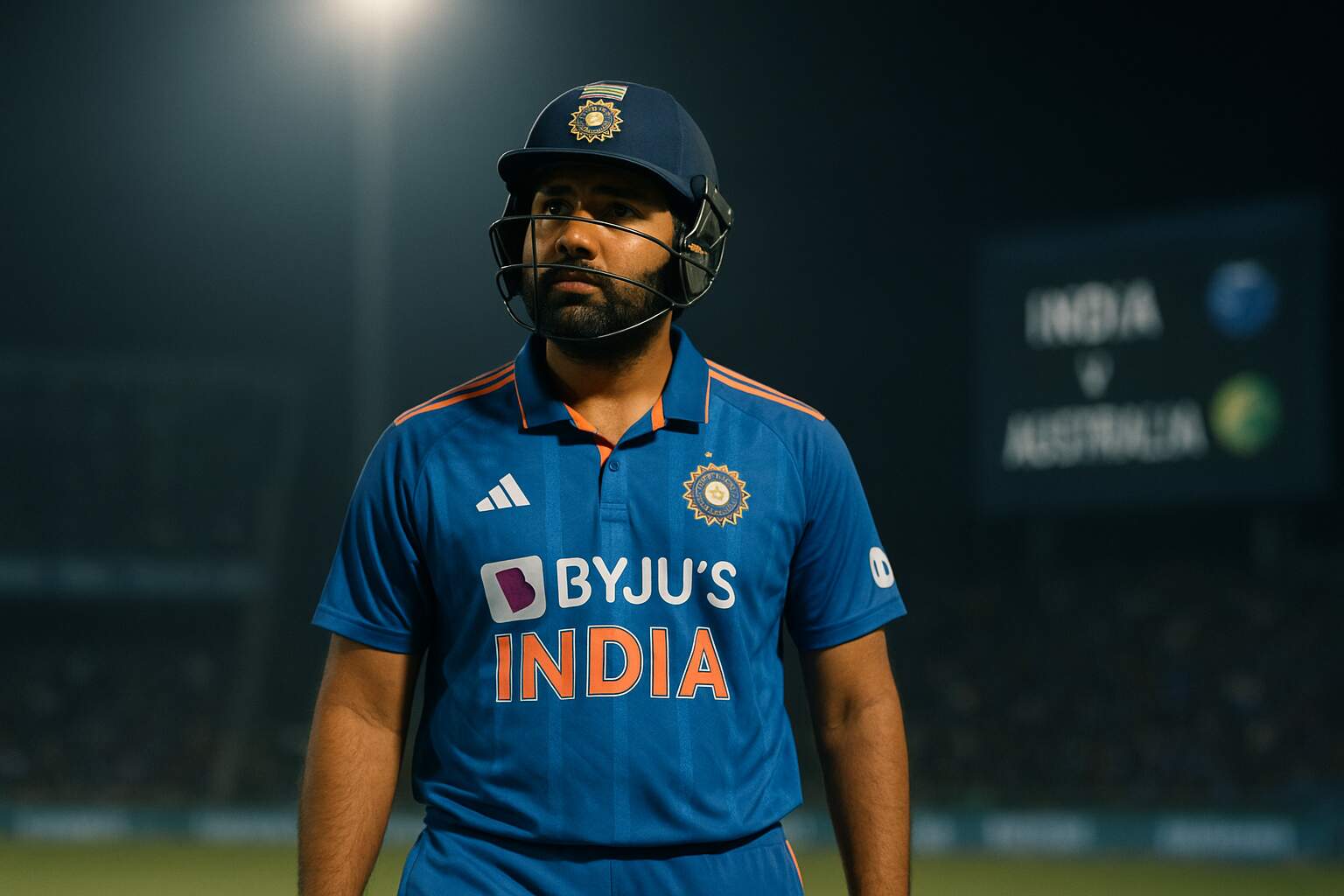
Rohit Sharma’s inclusion in India’s squad for the upcoming Australia tour has become a flashpoint following his recent removal as ODI captain. Voices within the cricketing community are now asking: if Rohit is no longer captain, why is he being retained? This controversy has raised deeper questions about team planning, the 2027 World Cup strategy, and India’s transition. In this report by The Editorial Team of Behind The Headlines, we unpack the background, major arguments, reactions, and what this means for Rohit’s future and Indian cricket.
Background: captaincy, role & selection changes
Rohit Sharma was recently stripped of the ODI captaincy, with Shubman Gill taking over leadership. This decision came even after Rohit had captained India to the Champions Trophy earlier this year. His removal has triggered debates about his continuing role in white-ball cricket.
Former national selector Saba Karim publicly questioned the logic behind the move. He asked whether it made sense to retain a player who was no longer viewed as part of the team’s core leadership pipeline, especially with the 2027 World Cup in view. He pointed out that if Rohit is not slated to captain, selectors should clarify whether he remains part of long-term plans.
At 38 years of age, Rohit’s fitness and longevity are often cited as risks. Yet, his track record, including a high win percentage in ODIs and leadership accolades, means that some believe he still adds value both as a senior player and match-winner.
Main angles in the debate
1. Leadership vs playing role
Critics argue that once a player is removed from a leadership position, their standing in the team hierarchy should be reassessed. Retaining Rohit without captaincy may create ambiguity about his role: mentor, backup, or full playing member?
On the other hand, supporters say Rohit’s experience, ability to mentor younger players, and batting-class merit allow him to remain integral—even without the captain’s armband.
2. World Cup planning and transition logic
Selectors have suggested that Shubman Gill is being groomed as the captain to lead India into the 2027 World Cup. Some see Rohit’s demotion as part of a long-term transition plan.
But dissenters question the timing. If Rohit is not part of future planning, should he be in the squad at all? His continued inclusion may complicate the message to younger aspirants and create confusion in team building.
3. Performance and fitness concerns
At 38, any dip in form, endurance, or consistency could be magnified in high-pressure tours like Australia. Critics point to Rohit’s recent form and argue that resources may be better invested in younger players.
Still, Rohit’s higher batting averages, past big performances under pressure, and experience in varied conditions are arguments in his favor. He has the ability to adapt and deliver match-winning innings.
Reactions and public perspectives
Many former cricketers, selectors, and analysts have weighed in sharply. Saba Karim’s remarks gained attention in media and fan circles, arguing that the BCCI’s message in retaining Rohit is contradictory.
Batting legends like Sunil Gavaskar have also commented, suggesting Rohit may accept the change but that for future tournaments he needs to make a strong case on merit and fitness.
Fans and social media voices have also expressed mixed emotions—some perceive this as disrespect to a player of Rohit’s stature, while others see it as overdue realignment.
Commentators note that this debate highlights a bigger shift in Indian cricket: the tension between loyalty, performance, and transition.
Wider implications for Indian cricket
Leadership clarity and consistency
This episode underscores the importance of coherent leadership transitions. Cricket teams today often align around a long-term captain; confusion or overlap between leadership and playing roles can destabilize team dynamics.
Rewarding performance vs sentiment
Selections based on legacy or sentiment can conflict with merit-based criteria. India must balance respect for senior players with the need to invest in the next generation.
Messaging to younger players
How the BCCI and selectors handle Rohit’s transition sends a signal to emerging talents: that no matter past achievements, current form and future vision matter.
World Cup and long-term strategy
As India eyes 2027, the management must manage succession well, ensure role clarity, and avoid mid-course reversals that undermine credibility.
What to observe going forward
- How Rohit performs in the Australia tour—runs, consistency and fitness
- Whether BCCI or selectors issue clarifying statements on Rohit’s future role
- How Shubman Gill’s captaincy tenure evolves and whether it’s backed by supporting staff
- Inclusion of younger talents and rotation policy in ODIs
- Any further debates or critiques from former players or analysts
Conclusion
The question, “if Rohit Sharma is not captain, why is he still selected?” reflects deeper tensions in team planning, transition, and messaging. While Rohit’s legacy and batting credentials are undeniable, his demotion from leadership puts the selection committee under scrutiny. As India moves toward the 2027 World Cup, consistency, clarity, and fairness will shape how this crossroads is remembered. The Editorial Team of Behind The Headlines will continue tracking match performance, public statements, and long-term implications for Indian cricket.
Read More
- Link to our earlier feature: Leadership Transitions in Indian Cricket – Challenges & Patterns
- Link to our analysis: Balancing Youth and Experience: India’s Road to World Cup 2027
Related Posts


Stay Informed With the Latest & Most Important News
Previous Post
Next Post

Advertisement





Advertisement
