

Now Reading: IPL’s Valuation Slump: Gaming Ban and Market Caution Slow Cricket’s Cash Machine
-
01
IPL’s Valuation Slump: Gaming Ban and Market Caution Slow Cricket’s Cash Machine

IPL’s Valuation Slump: Gaming Ban and Market Caution Slow Cricket’s Cash Machine

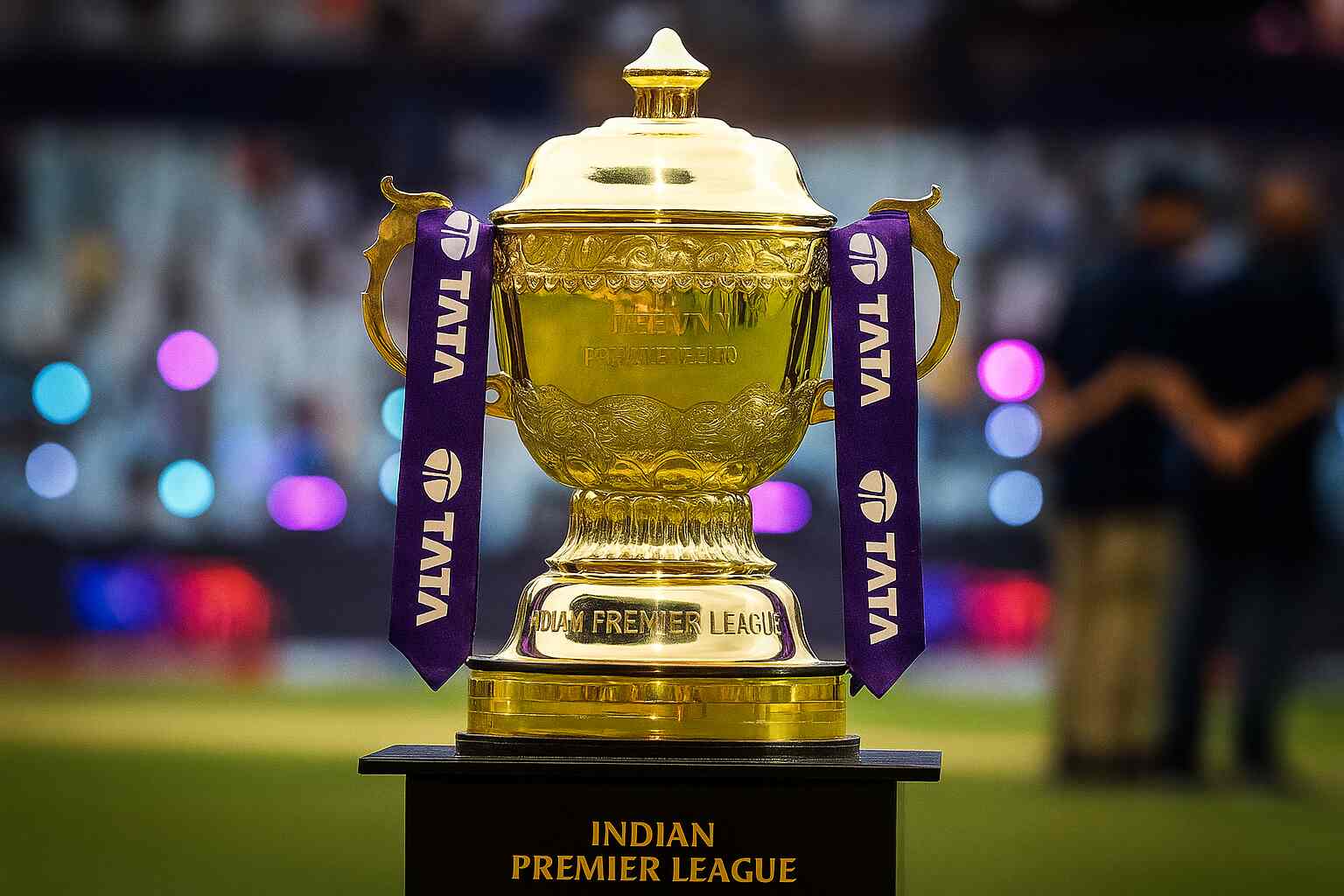
The Indian Premier League (IPL) — once the crown jewel of global sports valuations — is showing signs of a slowdown. After nearly a decade of explosive growth, the tournament’s valuation has hit its first major slump, as advertising restrictions, gaming bans, and economic caution disrupt cricket’s commercial rhythm.
Meanwhile, the Women’s Premier League (WPL), which debuted to great fanfare last year, has also encountered its first roadblock, with franchise revenues and sponsorship interest not matching early expectations.
The numbers behind the fall
According to industry trackers, the IPL’s cumulative valuation — including franchises, broadcast rights, and sponsorships — has seen a dip of nearly 10–12% compared to last year’s record high.
Experts cite multiple reasons: a slowdown in ad spends, the ban on online gaming advertisements, reduced consumption on streaming platforms, and cautious investor sentiment amid global uncertainty.
“After the pandemic boom, the sports advertising market is adjusting to more realistic valuations,” said a senior sports marketing executive. “When gaming and fantasy sports ads got banned, a large category that funded digital and on-ground sponsorships suddenly disappeared.”
(Related: Google to spend $15 billion on AI data centre in biggest India investment)
Gaming ban hits digital revenues
The Centre’s restrictions on betting and real-money gaming ads have had a direct impact on both the IPL and WPL ecosystems. For several seasons, fantasy gaming apps such as Dream11, My11Circle, and Mobile Premier League (MPL) had been among the league’s top advertisers and title sponsors.
Their absence this year created an advertising vacuum, forcing broadcasters to fill inventory with smaller brands at lower rates.
Experts estimate that digital ad rates during IPL 2025 fell by over 25%, while television ads saw limited growth due to audience saturation.
“The gaming category alone accounted for nearly one-third of IPL’s digital revenue. Removing that changed the entire financial structure,” explained a media analyst from GroupM India.
(You may also like: How Indian IT companies are adapting to global tech reform)
Franchises face slower sponsorship deals
IPL teams — including Mumbai Indians, Chennai Super Kings, and Royal Challengers Bengaluru — have reportedly found it harder to close large sponsorships this season. Several team officials said smaller deals are coming through, but multi-year partnerships are taking longer to finalize.
Even merchandising sales and hospitality revenues have slowed, according to sources. The cost of player salaries and operational expenses continues to rise, further squeezing margins.
WPL’s early promise hits a pause
The Women’s Premier League, which started with huge optimism in 2023, is also facing a moment of recalibration.
While WPL’s debut drew record viewership and positive sentiment, sponsorship inflows in 2025 have been below expectations. Marketing executives attribute this to the broader sports advertising slump and the absence of major betting platforms that once supported large events.
“Women’s cricket remains commercially viable but needs a consistent advertising base. Once the digital ecosystem stabilizes, WPL will find its footing again,” said a senior executive from a leading sports broadcaster.
Broader market trends: caution before recovery
Sports economists say the slump may be temporary rather than structural. As India’s economy stabilizes and regulatory clarity returns, advertisers could gradually rebuild confidence.
There’s also growing optimism that new global brands and local tech startups may fill the sponsorship void left by fantasy gaming companies.
“IPL is too big to fail,” said a Mumbai-based sports investor. “It remains the world’s second most valuable sports league after the NFL. The current slump is more like a correction than a crisis.”
The bigger picture
The IPL’s slowing valuation is also part of a larger story — India’s shift from easy digital spending to sustainable ad growth. The post-COVID boom saw valuations soar faster than audience monetization. As reality catches up, the cricket business is simply rebalancing itself.
At the same time, the WPL’s early stumbles show that even well-backed women’s leagues need time, patience, and steady financial ecosystems to thrive long-term.
Conclusion
The Indian Premier League remains a sporting and financial phenomenon. But this year’s numbers remind us that even cricket’s biggest carnival isn’t immune to regulation, shifting market moods, and advertising fatigue.
Behind The Headlines Editorial View:
The IPL may have slowed, but it hasn’t stopped. Like all powerful institutions, it’s learning to adapt — and perhaps this correction will make its next inning even stronger.
Related Posts


Stay Informed With the Latest & Most Important News
Previous Post
Next Post

Advertisement






Advertisement
