

Now Reading: Piyush Pandey Passes Away at 70: Advertising Icon’s Legacy
-
01
Piyush Pandey Passes Away at 70: Advertising Icon’s Legacy


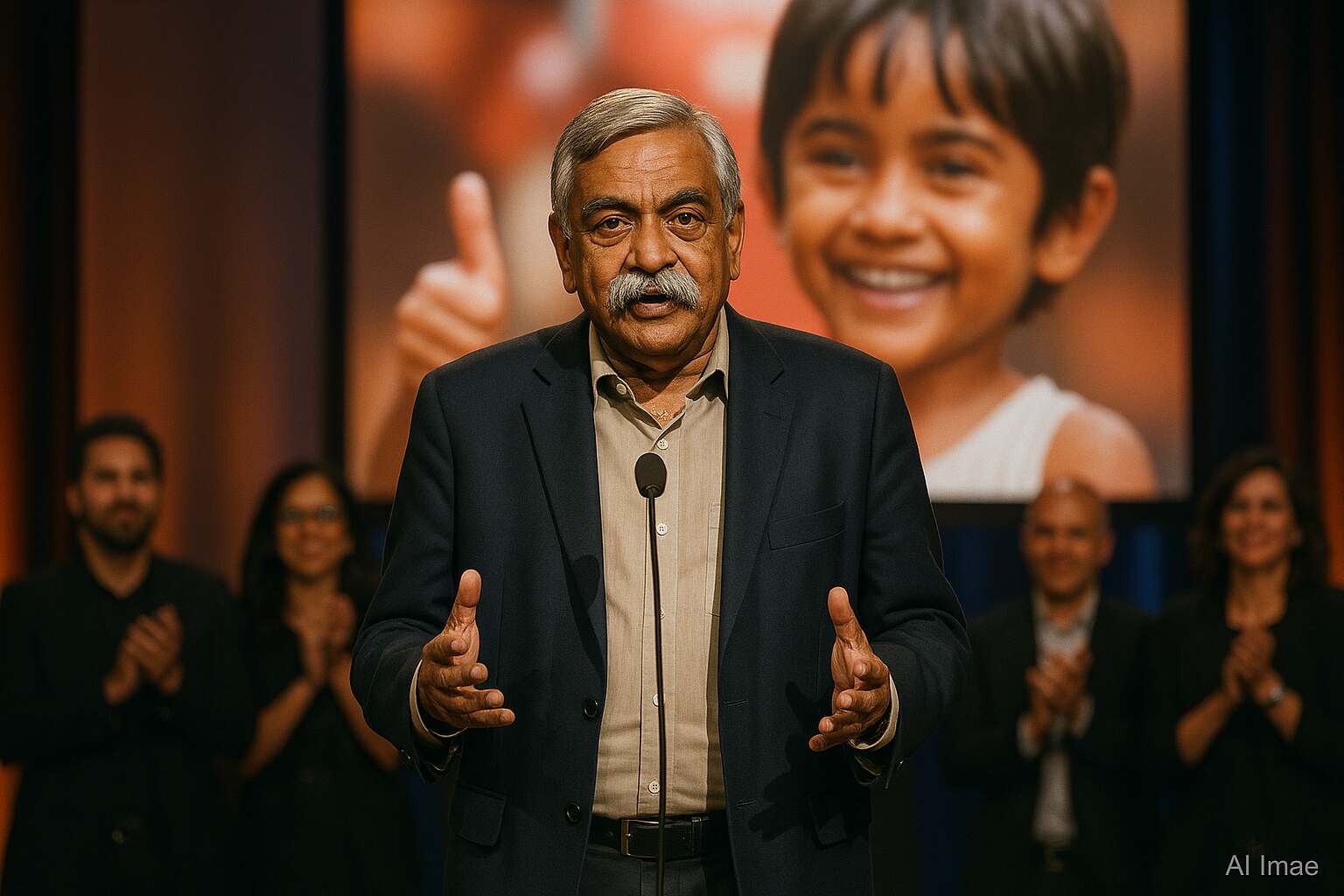
Veteran Indian advertising executive and creative legend Piyush Pandey passed away on 24 October 2025 at the age of 70. With a career spanning over four decades, Pandey reshaped the language of Indian advertising by grounding brand storytelling in culture, emotion and everyday life. From his early days at Ogilvy India to becoming its Worldwide Chief Creative Officer, his journey reads like a masterclass in creativity. He leaves behind an indelible legacy of iconic campaigns, mentoring thousands of professionals and making “India’s voice” heard in marketing.
His Journey: From Client Service to Global Creative Leader
Piyush Pandey’s career began in 1982 when he joined Ogilvy India in client servicing. Within a few years he moved into creative roles, tapping into his innate storytelling ability. His early forays included print ads and radio jingles that connected with audiences in vernacular idioms rather than elite English.
Under his leadership, Ogilvy India soared to the No. 1 agency slot for multiple years, winning accolades for both effectiveness and creativity. He later ascended to global roles, becoming the Chief Creative Officer Worldwide, while still guiding the India operation with his cultural insight.
Campaigns That Shaped a Nation’s Mind
Pandey’s work resonated because he understood the Indian psyche. His campaigns ranged from household-product ads to election slogans. Among his most memorable work:
- For a glue brand: the famous “bus stuck” film symbolising bonding.
- For a paint maker: “Har Ghar Kuch Kehta Hai”, capturing the voice of homes.
- A telecom campaign featuring animated characters (ZooZoo) that became cultural icons.
- An election slogan that entered public parlance and politics.
These campaigns didn’t just sell products — they built brand identities deeply rooted in the emotions and everyday lives of Indians. His ability to craft simple, catchy and memorable phrases made him a household name.
Impact on the Advertising Industry
Pandey’s influence extended far beyond the ads he created. He changed how agencies approached Indian consumers:
- From “copy Western campaigns” to “write for India’s many voices”.
- From English-dominant communication to vernacular and regional narratives.
- From flashy visuals to emotionally simple storytelling.
Many creatives today cite him as a mentor. His belief — “make people feel rather than tell them” — became a doctrine in Indian marketing. Even global brands operating in India began adapting their tone to local cultural rhythms, a shift Pandey helped pioneer.
Explore how the advertising industry was transformed by vernacular voice.
Reaction and Loss
News of Pandey’s passing triggered an outpouring of respect across the industry. Marketing heads, agency leaders, creatives and celebrities acknowledged that with his death, “India’s ad voice” has lost one of its most vital articulators. His warmth, humour and mentorship were frequently highlighted alongside his professional achievements.
His departure marks the end of an era — one where big-budget campaigns and superficial glamour gave way to emotionally grounded work. His absence will be felt in boardrooms and creative rooms alike.
A Legacy for Future Generations
What Pandey leaves behind is not just a collection of campaigns but a lasting framework on how to communicate in India:
- Cultural context matters.
- Simplicity wins.
- Emotion connects.
- The everyday story is forever valuable.
- Creativity rooted in truth outlasts trends.
Young creatives entering the field will study his work, some continue his approach, and others will evolve it further. The next phase of Indian advertising will still walk on the roads he paved.
The Bigger Picture: Advertising & Identity
Pandey’s career illuminates how advertising is deeply connected to national identity and culture. When Indian consumers heard their dialects, saw their lives reflected on screen, and found their world in brand messages — it was thanks to his vision.
In that sense, his campaigns didn’t just sell—they helped Indians see themselves. They quietly reinforced confidence, pride and cultural belonging at a time when marketing often ignored it.
His work also underscores how Indian advertising matured — not by copying global templates but by rooting itself in local soil. That remains a vital lesson for any brand seeking authenticity in India.
Conclusion
Piyush Pandey’s passing at age 70 marks a profound loss for Indian advertising, yet his legacy is vibrant and enduring. He taught the industry that strength lies not in extravagance but in relevance, not in mimicry but in voice.
As agencies and brands navigate future challenges—from digital disruption to generative AI—they will carry forward the ideas Pandey championed: stay grounded, speak with meaning, and create work that lasts.
The man may be gone, but his work speaks on, echoes in jingles, frames, slogans and memories. The voice of Indian advertising will miss him, yet his legacy will keep it alive.
Related Posts



Stay Informed With the Latest & Most Important News
Previous Post
Next Post


Advertisement









Advertisement
