

Now Reading: Shivalik LPG Tanker Reaches India, Eases Supply Fears
-
01
Shivalik LPG Tanker Reaches India, Eases Supply Fears


India received major relief as LPG tanker Shivalik safely docked at Mundra port after crossing the Strait of Hormuz amid conflict.
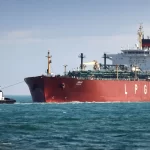
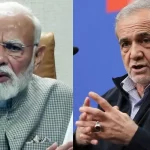
The India-flagged LPG tanker Shivalik, carrying around 45,000–46,000 metric tonnes of liquefied petroleum gas, successfully reached Gujarat’s Mundra port after navigating the conflict-hit Strait of Hormuz. The vessel, operated by the Shipping Corporation of India and carrying cargo for Indian Oil Corporation, was among the few ships allowed safe passage despite tensions caused by the ongoing Iran-related conflict. The tanker’s journey came after intense diplomatic efforts by India, including high-level talks between Prime Minister Narendra Modi and Iran’s leadership, as well as coordination through external affairs channels.
The Strait of Hormuz, a critical global energy chokepoint through which nearly 20% of the world’s oil and gas supplies pass, has seen severe disruption due to military tensions involving the United States, Israel, and Iran. Shipping activity in the region dropped sharply, and several Indian vessels remained stranded due to security concerns. India, which imports nearly 90% of its LPG from the Middle East, faced rising fears of supply shortages, panic buying, and price volatility. Iranian authorities had imposed restrictions on movement, but made rare exceptions allowing Indian tankers like Shivalik and another vessel, Nanda Devi, to pass—sometimes under naval escort—highlighting the importance of diplomatic engagement in securing energy routes.
The Editorial Team of Behind The Headlines reports that the safe arrival of Shivalik is a significant boost to India’s energy security at a time of global uncertainty. The successful transit signals that diplomatic channels remain effective even in high-conflict zones and reassures domestic markets about LPG availability, especially for household consumption. However, the situation remains fragile, with several Indian ships still awaiting clearance and global energy routes under pressure. Continued geopolitical tensions could disrupt supplies again, making it crucial for India to diversify energy sources, strengthen strategic reserves, and enhance maritime security to safeguard future imports.
Related Posts


Stay Informed With the Latest & Most Important News
Previous Post
Next Post

Advertisement




Advertisement
