

Now Reading: Shoaib Akhtar’s Viral Question on India Squad Selection Sparks Debate
-
01
Shoaib Akhtar’s Viral Question on India Squad Selection Sparks Debate


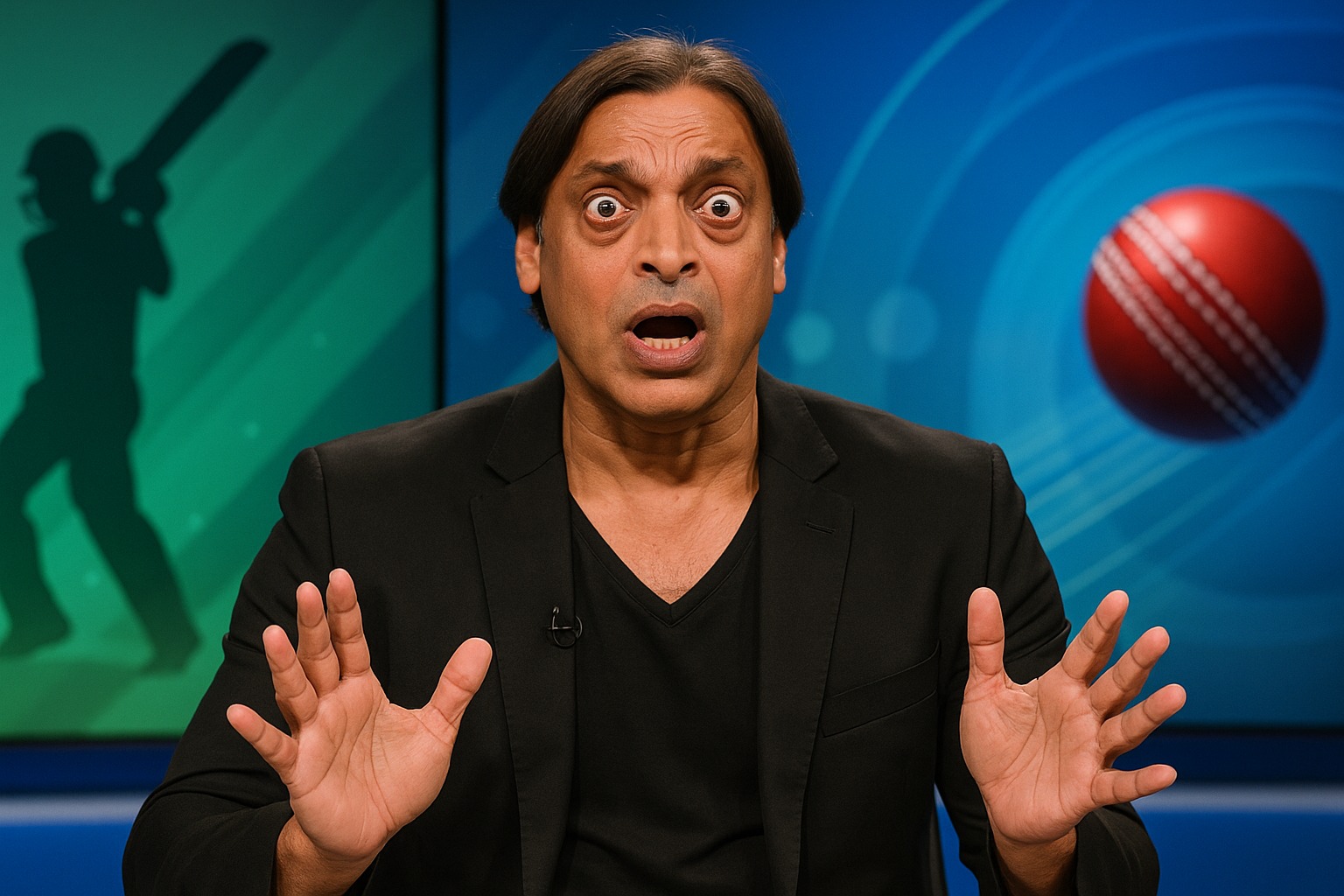
The cricketing world is buzzing after former Pakistan pacer Shoaib Akhtar openly questioned India’s Asia Cup 2025 squad with the viral remark, “Yeh kis ko baahar bithaayenge?” His sharp reaction has reignited old debates about team balance, selection headaches, and India’s cricketing depth ahead of the tournament.
In less than 24 hours, Akhtar’s comments stormed social media, becoming a trending topic across cricket circles in India and Pakistan. But beyond the buzz, the question highlights a deeper reality: India’s talent pool is so stacked that even selectors are burdened with luxury problems.
Why Shoaib Akhtar’s Reaction Went Viral
Shoaib Akhtar has always been known for his outspoken views. His latest comment came after India announced a strong squad for the Asia Cup, featuring a blend of experienced seniors and rising stars.
- Depth of talent: Akhtar’s remark reflects surprise at India’s bench strength.
- Controversial phrasing: His “kis ko baahar bithaayenge” question resonated with fans who often debate why certain star players sit out despite being in form.
- Cross-border curiosity: Comments from a legendary Pakistani cricketer naturally amplify interest in India’s cricketing affairs.
(Earlier, Behind The Headlines explored similar controversies in our analysis of India’s selection dilemmas.)
India’s Selection Dilemma Explained
Unlike many cricketing nations, India faces the rare challenge of abundance. For every position in the playing XI, there are multiple deserving contenders. This Asia Cup squad is no exception.
- Batting depth: From Rohit Sharma to Shubman Gill, Virat Kohli to Suryakumar Yadav, the lineup is overflowing.
- Bowling mix: Jasprit Bumrah leads a fiery pace attack, while Kuldeep Yadav and Ravindra Jadeja provide spin variety.
- Young contenders: Rinku Singh and Yashasvi Jaiswal have impressed, but fitting them into the XI means leaving out other stars.
The issue, as Akhtar pointed out, is not who makes the team but who is left out.
Fan Reactions: Excitement Meets Confusion
Social media lit up after Akhtar’s video surfaced. Indian fans largely agreed with his assessment, joking that even a “second-string” India XI could compete at the highest level.
- On X (formerly Twitter): Hashtags like #IndiaSquad and #ShoaibAkhtar trended.
- On Instagram: Memes comparing India’s “bench vs playing XI” went viral.
- On YouTube: Cricket experts debated whether players like Shreyas Iyer or Ishan Kishan might have to sit out key matches.
(We previously tracked how social media shapes cricket narratives.)
Bigger Picture: India’s ‘Problem of Plenty’
Shoaib Akhtar’s reaction is a reminder that India’s cricket dominance is built on years of investment in talent pipelines. The IPL, domestic tournaments, and structured coaching pathways have created a reservoir of talent unmatched globally.
But this abundance also creates pressure. Leaving out big names can spark controversy, affect player confidence, and even influence public opinion.
Editorial View: Why Akhtar’s Words Matter
At Behind The Headlines, we see Akhtar’s viral remark as more than casual banter. It reflects how rivals view India’s cricketing strength. For Pakistan, Sri Lanka, and Bangladesh, the Asia Cup is about survival; for India, it is about managing expectations and egos.
The selectors’ challenge is balancing experience with opportunity, ensuring bench strength without bruising star reputations. Akhtar’s question may be simple, but it goes to the heart of modern cricketing strategy.
Conclusion
As India gears up for the Asia Cup, the buzz around Shoaib Akhtar’s comment shows how selection debates capture fan imagination. The real question, however, is whether India can translate its “problem of plenty” into a trophy-winning formula.
Related Posts


Stay Informed With the Latest & Most Important News
Previous Post
Next Post

Advertisement







Advertisement
