

Now Reading: Sun Pharma Shares Slide After Trump’s 100% Drug Tariff Announcement
-
01
Sun Pharma Shares Slide After Trump’s 100% Drug Tariff Announcement


Shares of Sun Pharma, India’s largest drugmaker, dropped over 4% after former U.S. President Donald Trump announced a 100% tariff on branded and patented drugs imported into America. This move has sent ripples across global pharma markets and raised concerns about India’s export-driven pharmaceutical sector. For Sun Pharma, which earns nearly one-third of its revenues from the U.S., the announcement could have significant implications.
The sell-off reflects investor anxiety over how India’s pharma giants will cope with potential disruptions in their biggest export market.
Why Trump’s tariff announcement matters
The U.S. is the single-largest market for Indian drug exports, especially for generics and specialty products. Trump’s declaration of a 100% tariff specifically on branded and patented medicines puts pressure on companies that rely on high-margin products for profitability.
Sun Pharma, with its strong presence in the U.S. through specialty drugs like Ilumya, Odomzo, and Cequa, faces the risk of margin erosion if tariffs inflate costs or reduce competitiveness against domestic American players.
(Read also: Nifty 50, Sensex today: What to expect in trade)
Sun Pharma’s immediate stock reaction
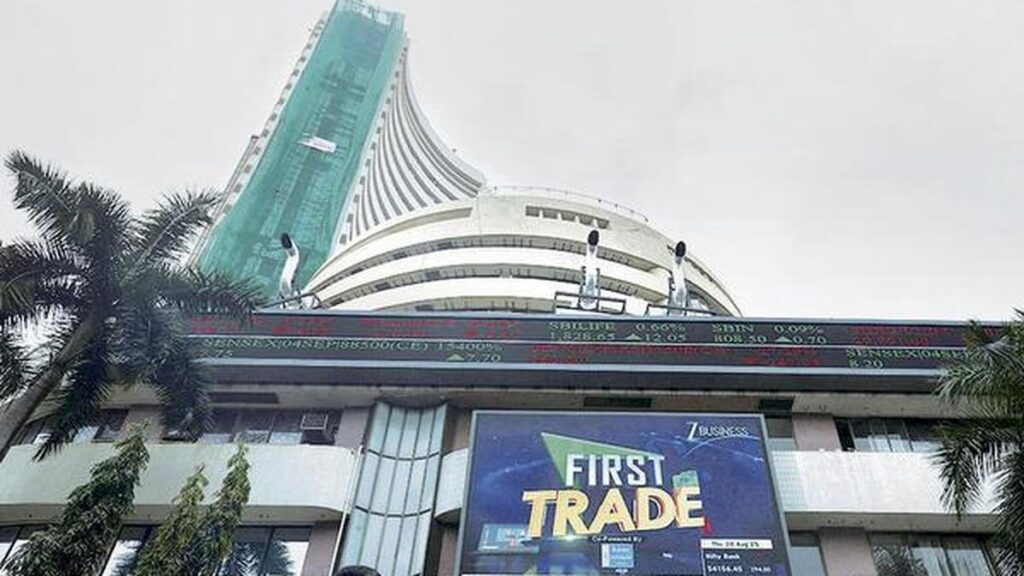
On the day of the announcement, Sun Pharma’s stock fell over 4% on the Bombay Stock Exchange, erasing investor wealth and signaling nervousness in the market. Other pharma stocks like Dr. Reddy’s and Lupin also faced pressure, though Sun Pharma bore the brunt due to its higher U.S. exposure.
Analysts caution that while the tariff is yet to be implemented formally, the uncertainty itself could keep pharma valuations under stress in the short term.
The U.S. dependency of Indian pharma
Indian pharma companies collectively earn more than $20 billion annually from the U.S. market. While generic drugs remain the backbone of exports, Indian companies have aggressively expanded into branded and patented categories to capture higher profit margins.
Sun Pharma’s U.S. business contributes close to 30% of its total revenue, making it one of the most exposed to tariff risks. With the American market already tightening regulations and increasing scrutiny on pricing, the new tariff threat adds another layer of complexity.
(Related: Swiggy to sell stake in Rapido)
Global and domestic investor reactions
Brokerages were quick to issue cautionary notes. Some suggested that the tariff move, if implemented, could shift Sun Pharma’s focus back toward domestic and emerging markets. Others argued that the announcement might be more political rhetoric than policy, given that implementing such tariffs would face challenges from global trade norms and potential WTO disputes.
For Indian investors, however, the immediate concern is whether the U.S. government will follow through and how quickly companies like Sun Pharma can adapt their strategies.
Possible strategies for Sun Pharma
To mitigate risks, analysts highlight several options for Sun Pharma:
- Diversification of markets: Expanding aggressively into Europe, Latin America, and Asia to reduce U.S. dependency.
- Focus on generics: Increasing low-cost generic supplies, which may not be as heavily impacted by tariffs.
- Domestic growth: Leveraging India’s expanding healthcare and insurance coverage to drive home-market sales.
- Strategic alliances: Partnering with U.S.-based firms to navigate tariff hurdles through local production.
Bigger picture: Pharma and global trade politics
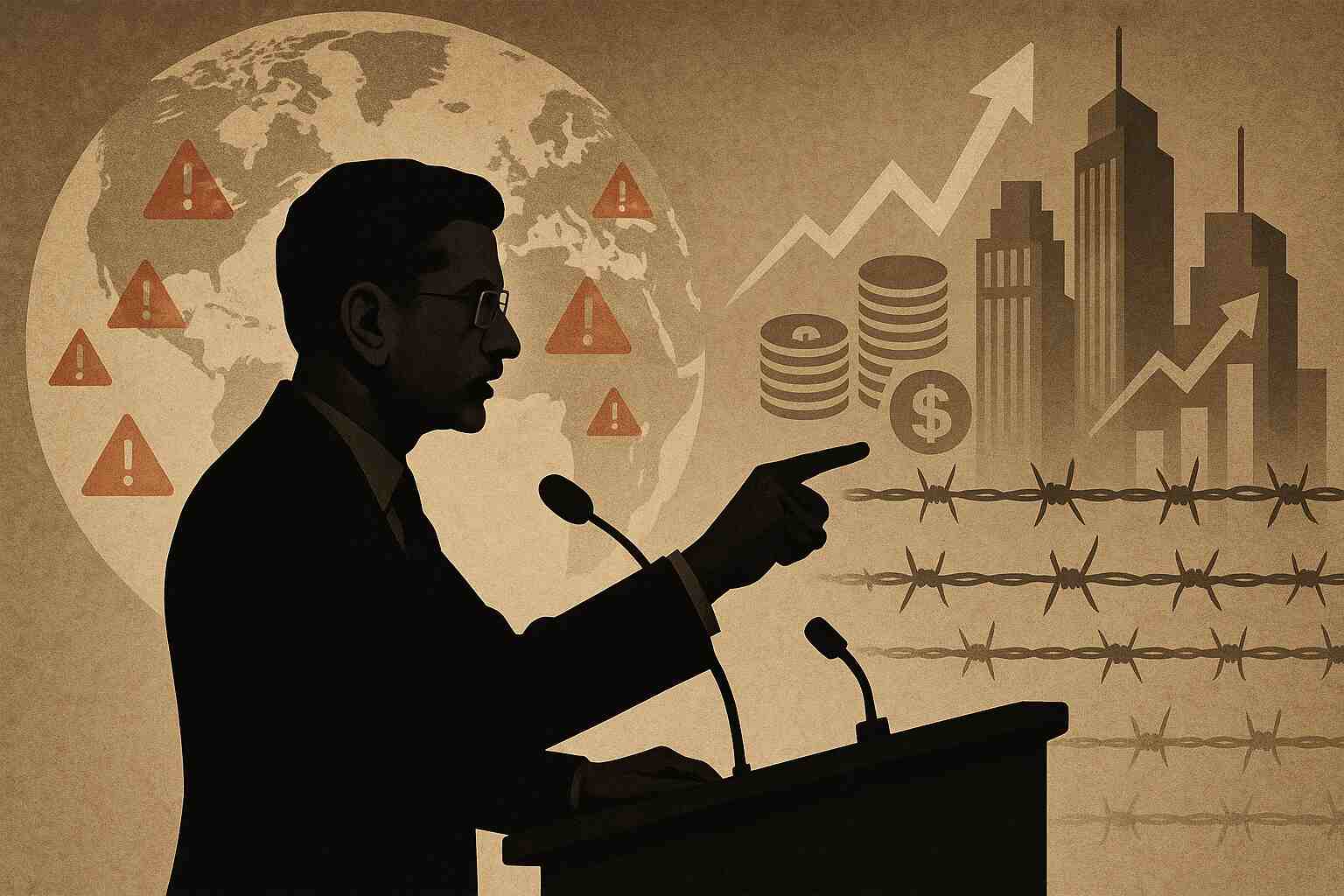
The announcement also underscores the growing politicization of global pharma trade. With healthcare costs a sensitive issue in the U.S., Trump’s tariff rhetoric is aimed at domestic voters but risks disrupting global supply chains. For India, which is often called the “pharmacy of the world,” the move could challenge its export-led growth model.
If tariffs are implemented, patients in the U.S. may face higher drug prices, potentially fueling debates over access to affordable healthcare.
Conclusion: A testing time for Indian pharma
The fall in Sun Pharma’s shares is more than just a market correction—it reflects deep concerns about the future of India-U.S. pharmaceutical trade. While the final outcome of Trump’s announcement remains uncertain, the shock has already forced Indian companies and investors to re-evaluate their strategies.
For Sun Pharma, resilience will depend on diversification, innovation, and adaptability. The next few months will reveal whether the company can navigate these geopolitical headwinds or face prolonged pressure.
Related Posts


Stay Informed With the Latest & Most Important News
Previous Post
Next Post

Advertisement








Advertisement
