Now Reading: Trump’s Tariffs on India: What Was Announced, How Modi Reacted, and What It Means for Indo‑US Relations
-
01
Trump’s Tariffs on India: What Was Announced, How Modi Reacted, and What It Means for Indo‑US Relations

Trump’s Tariffs on India: What Was Announced, How Modi Reacted, and What It Means for Indo‑US Relations

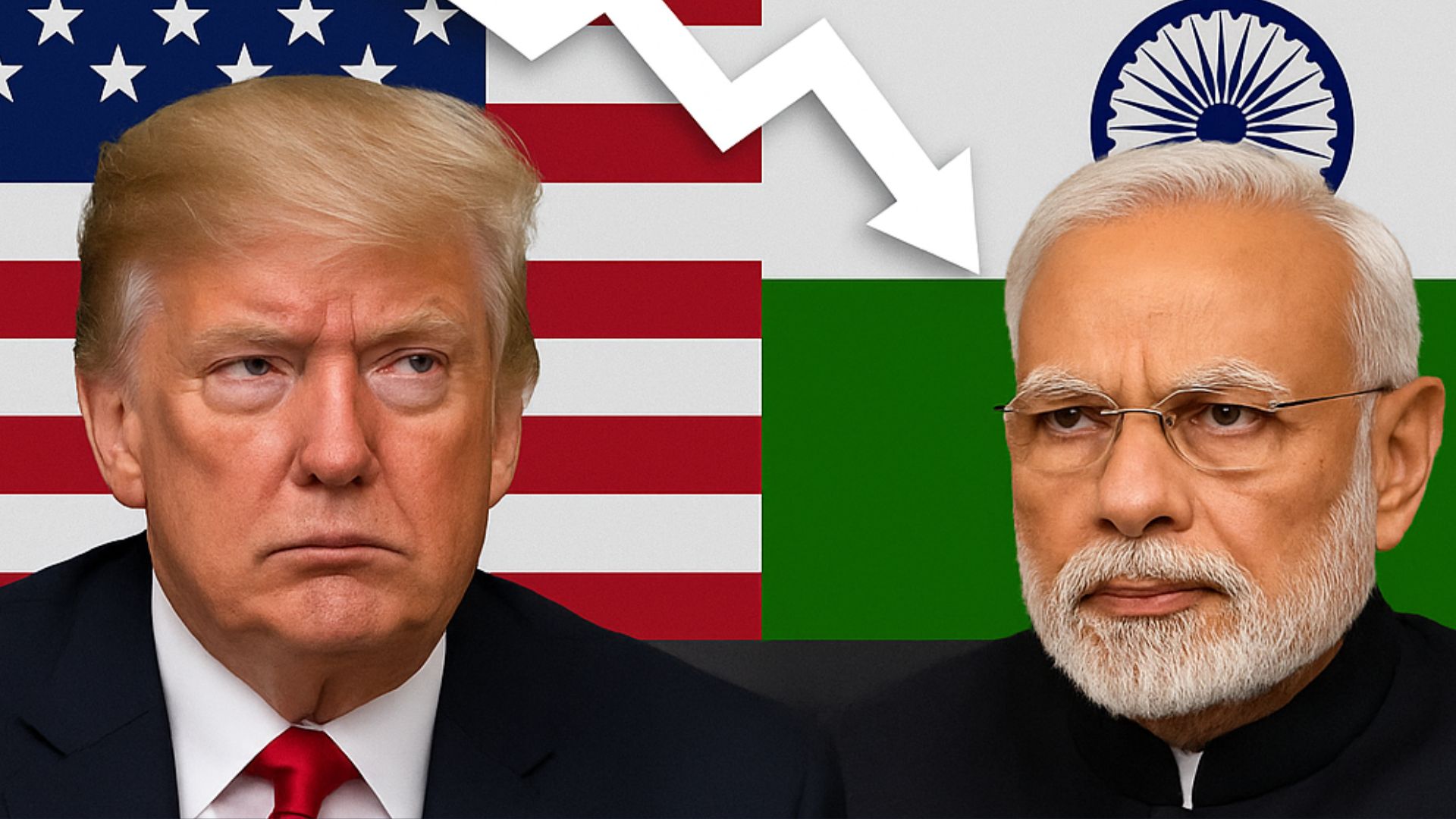
What Did Former President Trump Impose?
In late July and early August 2025, former U.S. President Donald Trump introduced new import tariffs targeting goods from several countries—including India. Key details:
- A 25% tariff was placed specifically on imports from India, much higher than the 15–19% applied to other nations.
- These tariffs were framed under the U.S. internal authority to act where trade deficits are considered threats to national security.
- Trump had previously hinted at similar tariffs—but also revealed willingness to negotiate, causing confusion before finally issuing the final order.
These moves mark a departure from prior U.S. trade policy, which mostly targeted China. India’s exclusion from high-volume markets or investments until now is changing.
Where Will These Tariffs Impact India?
Where Imports Come From U.S. Consumers’ Perspective:
- General merchandise: textiles, marine products, handicrafts, auto parts
- Pharmaceuticals (potentially higher cost for generics)
- Consumer goods (e.g., leather, clothing, electronic accessories)
Notable Sectors Expected to Be Affected:
- IT & Software – Though service-based, price margins may shift.
- Pharmaceuticals – Generic drug exports (~$12.7 billion/year to U.S.) may face price pressure.
- Textile and Apparel – Already facing global competition; further strain expected.
- Leather Goods – Possible re-routing or sourcing challenges.
- Other Manufactured Goods – Including jewelry and automotive components.
PM Modi’s Immediate Response
India’s leadership responded swiftly and firmly:
- Modi reaffirmed India’s policy of strategic autonomy—foreign ties must serve India’s own interest.
- Through social media and public statements, Modi called on Indian manufacturers and exporters to “Make in India” and focus on self-reliance (Atmanirbhar Bharat) to reduce dependence on any single market.
- Indian Commerce Minister Piyush Goyal labelled the tariff move as “unilateral” and stressed that India will “take all necessary steps” to protect its farmers, exporters and industry.
- Reliance on the domestic market of 140 crore citizens — now a key focus to sustain growth and build internal demand.
Official Reactions & Diplomatic Posture
The Ministry of External Affairs (MEA) spokesperson emphasized:
- India reserves its right to engage with all global partners based on mutual respect, sovereignty, and not geopolitics.
- Any pressure narrative based on third‑party influence would be opposed.
- India continues to assert the value of BRICS, Quad, and other partnerships for geo-economic stability.
Economic Outlook for India
Short-Term Impacts:
- Export slowdowns especially for sectors hit by U.S. tariffs.
- Pressure on logistics and trade finance as exporters scramble for markets.
- Uptick in inbound tourism and domestic consumption may offset export downturns.
Medium-Term Adjustments:
- Indian exporters may seek alternative markets—EU, Middle East, Africa, ASEAN, Latin America.
- India could accelerate diversification of supply chains, producing goods in Vietnam, Bangladesh, or even within India for domestic consumption.
- Industrial policy focused on improving value-add—e.g., moving from simple drug exports to active pharmaceutical ingredients (APIs) and R&D-led pharma.
Long-Term Strategic Moves:
- Enhanced visor exposure through Global South economic alliances—BRICS, G20 outreach.
- Diversify trust by encouraging Indian diaspora-led exports and bilateral trade with African and Latin American nations.
- Private sector encouraged to scale up R&D, brand building, and global distribution.
Consequences for U.S.–India Relations
Positive Elements:
- Defense and military collaboration remain robust. India has new contracts in the pipeline (e.g., fighter jets, helicopters, radar systems).
- Shared concerns over China’s global behavior allow for continued diplomatic convergence.
- Potential for increased U.S. FDI into Indian technology, health, and energy sectors.
Areas of Tension:
- India may appear cautious of U.S. “transactional diplomacy,” undermining trust in long-term U.S. commitment.
- Trade friction may bleed into issues of visa and workforce mobility for Indian professionals.
- Cold Post-Tariff diplomacy: India may link future cooperation with stability on trade terms.
Diplomatic Balancing:
India appears to adopt a dual approach—retaining engagement with the U.S. on security and strategic affairs, while pledging domestic resilience and alternative alliances in trade and investment.
Jan Jagran Darpan’s Editorial Take
After thorough verification from diverse sources, these are our key conclusions:
- This is not a momentary skirmish—It is a pivot in U.S. trade strategy demonstrating willingness to sever ties if economic interests are not protected.
- India’s economic ecosystem must adapt by strengthening internal markets, diversifying exports, and focusing on high-value goods.
- Diplomacy will now be less about ideology and more about calibration—India engaging with major powers while avoiding overdependence.
- Trust must be earned continuously. India’s foreign policy will need to remain vigilant, flexible, and forward-looking.
In this changing global order, the India–U.S. relationship stands at a crossroads: both countries must find a way to ensure trade stays fair, strategic alliances remain strong, and India’s rise continues with dignity and self-reliance.
Related Posts

Stay Informed With the Latest & Most Important News
Previous Post
Next Post

Advertisement