

Now Reading: What really happens at an adult sleepaway camp?
-
01
What really happens at an adult sleepaway camp?


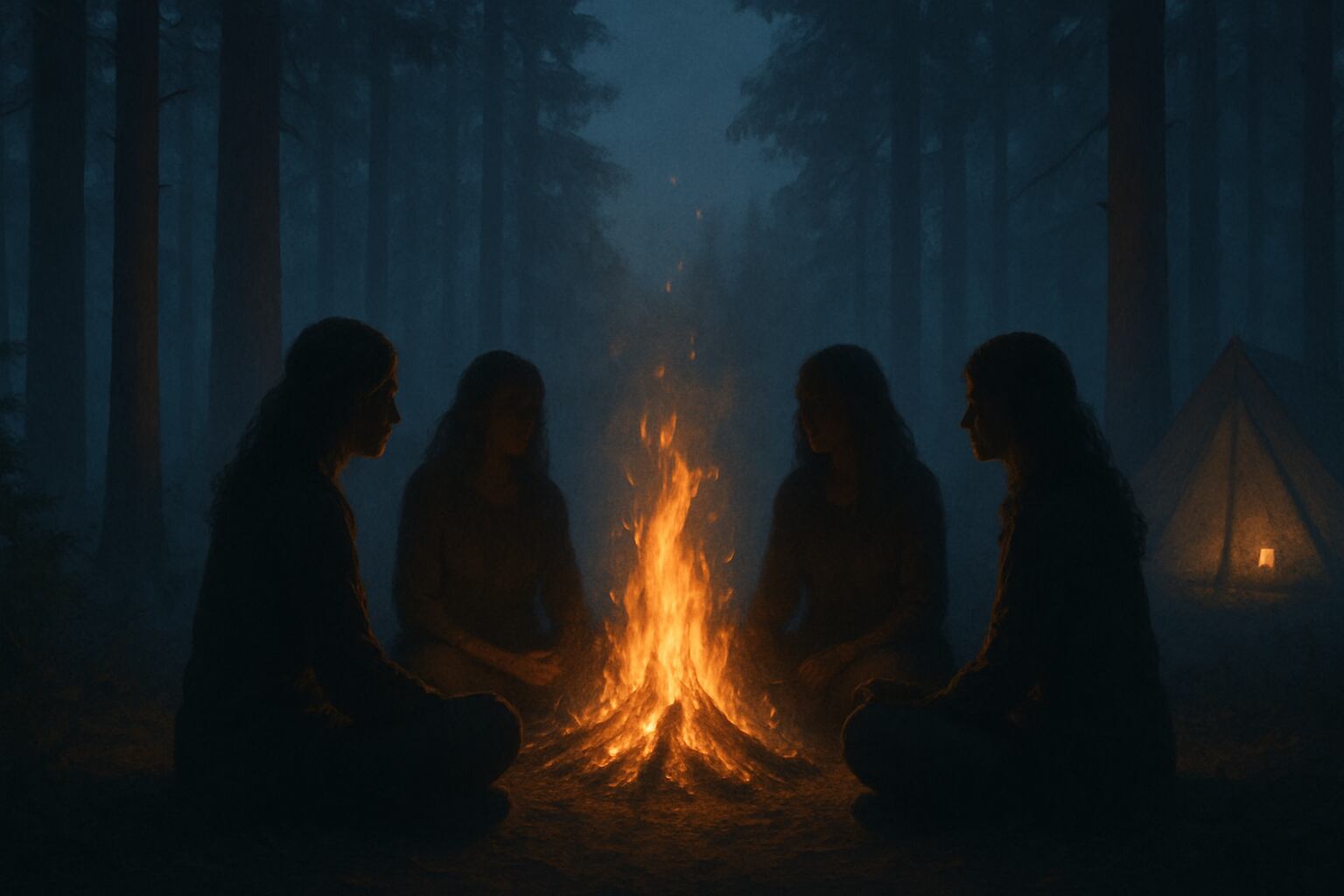
When adults speak of going to “sleepaway camp,” they often refer to something more than childhood nostalgia. I attended one such all-inclusive, women-only adult sleepaway camp to discover what truly unfolds behind the polished brochures. From communal meals to rituals, from digital detox to emotional breakthroughs, here’s a full look at what really happens at an adult sleepaway camp—and whether it delivers on its promises.
Camp overview & concept
These adult sleepaway camps are designed to infuse renewal, self-discovery and community among participants.
Typically weekend retreats lasting a few days, they are marketed as immersive experiences: food, lodging, programmed workshops, creative sessions, outdoor elements, sleeping in shared cabins or tents. The camps tend to be all-inclusive, covering meals, lodging, materials, and multiple activities. The one I visited charged premium rates—emphasizing luxury and curated experience.
Unlike youth camps, adult sleepaway versions focus less on competition or scouting badges, and more on mindfulness, connection, and emotional repair. Some are women-only, reinforcing shared vulnerability and trust.
Daily structure: rituals, workshops & downtime
Mornings with intention
Each day begins with guided routines: gentle movement (yoga, stretching), breathwork or meditation. A light, nourishing breakfast follows. Participants then choose from parallel workshop tracks—writing, movement, art, or discussion circles.
Sessions often begin with sharing rounds to build psychological safety. Facilitators guide topics of identity, trauma, intersectionality, collaboration, or dreams.
Midday into evening: activities and social time
After communal lunch, more structured activities follow—crafts, sauna, cold plunge, nature walks, sound baths, guided journaling. Many camps include unstructured “free time” for naps, reading, connecting or simply resting.
Dinner is a communal highlight: often multi-course, locally sourced, vegetarian or plant-centric, with moments for shared gratitude. Evening programs may include storytelling, ritual (fire, lanterns, singing), and optional confession or “hot seat” sessions.
Digital boundaries: phones are often surrendered or screened, encouraging presence, deeper conversation, and disconnection from everyday distractions.
Sleep, sharing & reflection
Rooms are simple but comfortable. Some nights include sharing circles before bed, where participants recount breakthroughs or emotional weight lifted.
Sleep quality can vary given communal settings, but facilitators often schedule soft wakeups and wind-downs tuned for gentle transition.
Wellness, emotional shifts, and critiques
Promised benefits vs lived experience
Many who attend report feeling lighter, reconnected, emotionally recharged, less burdened by daily demands. Some recount breakthroughs or insights about relationships, self-worth, or boundaries.
Others say it felt staged, rehearsed, or performative—some participants lean toward showing growth rather than living it. Emotional vulnerability can tip into fatigue or confrontation if not well facilitated.
Inclusion, accessibility, and privilege
Such camps are often expensive—covering lodging, staff, meals, and immersive design. They tend to attract professionals with disposable income and time flexibility.
There’s a tension between individual healing and commercial pricing: who gets access, who is excluded, who can sustain such experiences.
Facilitation, safety & boundaries
Facilitator skill is critical. Workshops dealing with trauma require licensed professionals. If mishandled, triggers or emotional harm can occur. Confidentiality and psychological support must be baked in.
Some participants may find peer sharing intimidating or surface inauthentic—power dynamics, group contrast, and social expectations can inhibit deeper work.
Reactions, reflections & narratives
Attendees often tell their own story post camp—shifts in journaling, ongoing connections, accountability circles. Many keep in touch via group chats or retreat alumni networks.
Critics warn of retreat culture’s pitfalls: expensive “wellness tourism,” transient effects, pressure to share personal stories, and escape narratives that avoid structural problems rather than confronting them.
Media coverage swings between wonder and skepticism—some portray retreats as spiritual sanctuaries, others as luxury escapes for privileged burnout.
Broader context: wellness retreats, digital detox, community craving
In a hyperconnected world, many feel deprived of deep human connection, quiet reflection, emotional space. Adult sleepaway camps tap that yearning.
They sit at intersections: wellness economy, mental health industry, experiential travel, and co-working of emotional retreat.
As more people seek “reset” experiences—unplugging phones, immersive retreats, curated silence—these camps become laboratories of what people want from life beyond screens.
They also challenge how we define rest, introspection, and social belonging as adults.
What to watch and consider
- Scalability vs intimacy: as these camps expand, will quality dilute?
- Long-term support: will there be post-camp integration, coaching or follow-ups?
- Accessibility & equity: pricing, scholarship models, location distribution.
- Clinical oversight: more camps employing mental health professionals to safely guide trauma work.
- Research impact: empirical studies measuring psychological or physiological changes in participants.
(See our earlier story “Rise of Experiential Wellness Travel in India”)
Conclusion
Adult sleepaway camps are more than nostalgic novelty—they represent a growing demand for immersive pauses in busy adult life: ritual, emotional reconnection, and community. While many report renewal and transformation, the model is not without risk—privilege, facilitation gaps, and transient effects.
As The Editorial Team of Behind The Headlines, we’ll follow how this niche evolves, scales, and whether it brings lasting change or becomes just another luxury echo in the wellness marketplace.
Related Posts



Stay Informed With the Latest & Most Important News
Previous Post
Next Post

Advertisement








Advertisement
