

Now Reading: Why did US and Israel attack Iran and how long could the war last?
-
01
Why did US and Israel attack Iran and how long could the war last?


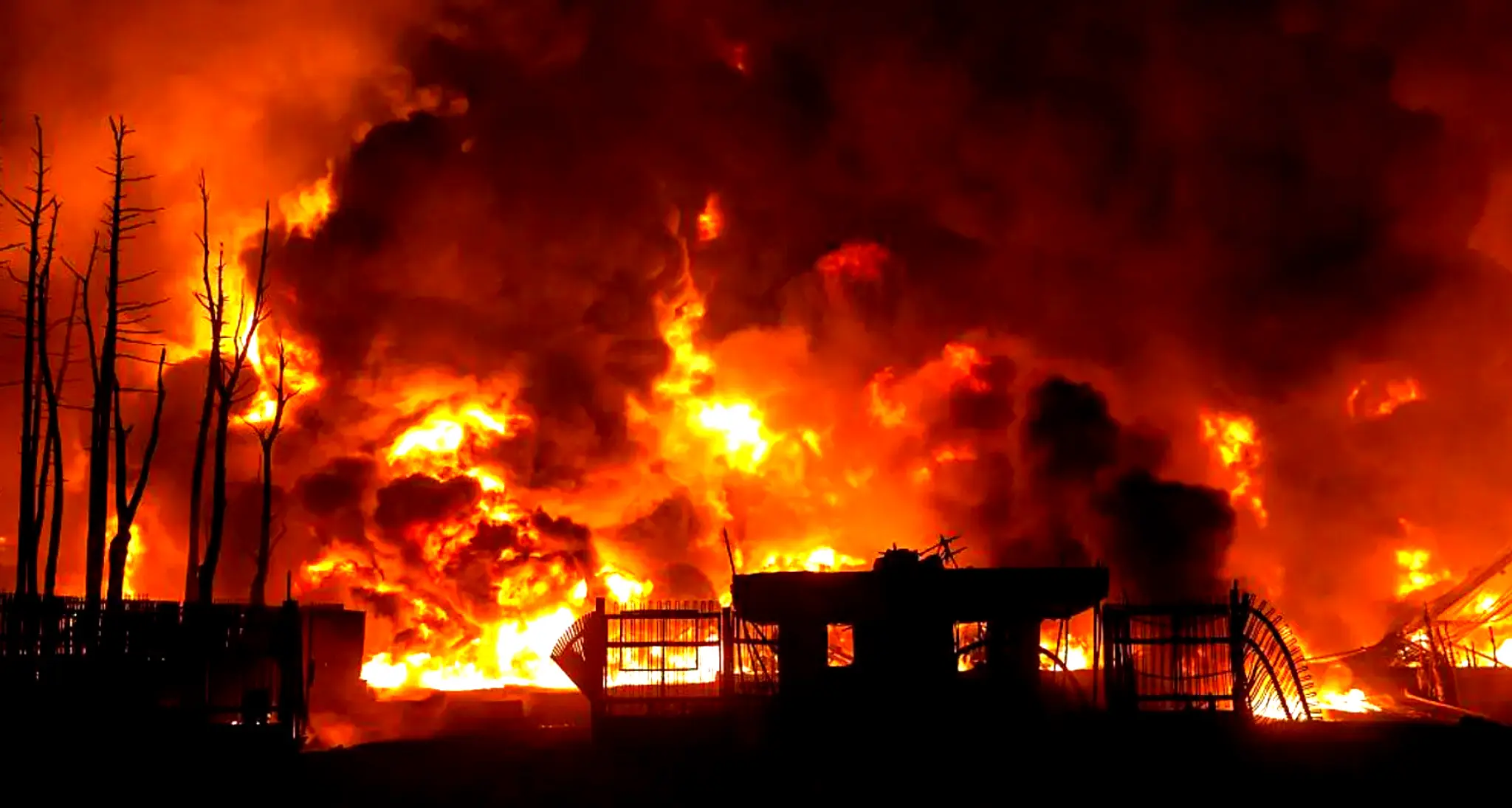
Missile strikes and drone attacks continue as the conflict between the United States, Israel and Iran escalates across the Middle East.
The Editorial Team of Behind The Headlines reports that a major regional war erupted after coordinated airstrikes by the United States and Israel targeted Iranian military and leadership sites on 28 February 2026. The operation, widely referred to as “Operation Lion’s Roar,” involved missile and aerial attacks on key locations in Tehran and other cities. The strikes reportedly killed Iran’s Supreme Leader, Ayatollah Ali Khamenei, along with several senior military and intelligence officials, including high-ranking commanders and security advisers. The attacks were based on intelligence identifying a gathering of top Iranian leaders, and were intended to weaken Iran’s command structure and military planning capabilities. The killing of Khamenei marked one of the most dramatic events in Middle Eastern geopolitics in decades, as he had ruled Iran for more than three decades and held ultimate authority over the country’s military, political and religious institutions.
The assassination triggered immediate retaliation from Iran and rapidly expanded the conflict beyond its initial battlefield. Within hours of the strikes, Iran launched waves of ballistic missiles, cruise missiles and drones targeting Israel, United States military bases and several Gulf nations believed to be supporting Western forces. Reports suggest that hundreds of drones and missiles were launched across the region, including attacks directed at the United Arab Emirates and other strategic locations hosting American military facilities. Some projectiles were intercepted by air-defence systems, but debris and explosions caused casualties and damage to infrastructure in several countries. These retaliatory attacks also targeted critical energy infrastructure and maritime routes in the Persian Gulf region. Analysts say Iran’s strategy is to pressure Western allies by threatening global energy supply routes and creating economic disruption beyond the battlefield.
The scale of destruction from the initial strikes was significant. Multiple Iranian government facilities, military command centres and underground bunkers linked to the country’s leadership network were destroyed. According to various reports, dozens of senior Iranian officials were killed in the coordinated attacks, including senior generals, intelligence chiefs and military planners. These deaths created an immediate leadership vacuum within Iran’s security apparatus. Among those killed were key figures responsible for coordinating Iran’s military strategy and its regional network of allied militias. The targeting of these individuals was part of a broader strategy aimed at crippling Iran’s ability to organise military responses quickly. The loss of such high-ranking officials also raised fears of further instability inside Iran’s political and military system.
Following the death of Ayatollah Khamenei, Iran’s political establishment moved quickly to stabilise the leadership structure. The country’s Assembly of Experts appointed Mojtaba Khamenei, the late leader’s son, as the new Supreme Leader. This decision marked the first time in the Islamic Republic’s history that the leadership position effectively passed from father to son, raising debates about dynastic succession within a political system that had originally rejected hereditary rule. Mojtaba Khamenei is known to have strong ties with Iran’s powerful military and religious institutions, particularly the Islamic Revolutionary Guard Corps (IRGC), which plays a central role in Iran’s security and foreign policy decisions. His appointment signalled an attempt by the Iranian leadership to maintain continuity and prevent internal divisions during wartime.
At the same time, the conflict has widened geographically. Missile and drone strikes have been reported across multiple countries in the Middle East, including Israel, Lebanon and Gulf states hosting American military bases. Iran has also targeted maritime routes and oil transport infrastructure in an attempt to disrupt global energy supplies. The Strait of Hormuz, a narrow waterway through which roughly one-fifth of the world’s oil shipments pass, has become a focal point of tension. Disruptions to shipping and oil transport in this region have already pushed global energy prices higher and raised concerns about the stability of international markets. Economic analysts warn that prolonged instability in this region could trigger supply shortages and increase fuel prices worldwide.
Military exchanges between the involved countries have intensified in the days following the initial strikes. Israeli forces have continued airstrikes against Iranian military infrastructure and allied militia groups in neighbouring countries, particularly in Lebanon and Syria. Meanwhile, the United States has deployed additional naval and air assets to the region to protect its forces and strategic allies. Reports indicate that American forces have also engaged Iranian military targets, including naval vessels and missile launch sites. These operations are aimed at limiting Iran’s ability to launch further attacks on regional bases and allied territories. However, the continued exchange of strikes has increased fears that the conflict could expand into a broader regional war involving multiple nations and armed groups.
The humanitarian and political consequences of the conflict are also becoming increasingly severe. Casualty figures across the region have risen as missile strikes and aerial bombardments continue. Thousands of civilians have been displaced from cities affected by airstrikes and military operations. In several countries, authorities have ordered evacuations and emergency security measures as governments prepare for possible further attacks. Airports and airspace across parts of the Middle East have also experienced disruptions, with international airlines suspending or rerouting flights due to security risks. These disruptions have affected tourism, international trade and global travel networks.
Diplomatic responses from the international community have been mixed. Some governments have called for immediate ceasefire negotiations and diplomatic engagement to prevent the conflict from spiralling further. Others have expressed support for military actions aimed at limiting Iran’s influence and nuclear ambitions. International organisations, including the United Nations, have urged restraint and warned that the conflict could trigger a humanitarian crisis if hostilities continue unchecked. Global leaders have also expressed concerns that the war could destabilise neighbouring regions and create long-term geopolitical tensions.
Economic repercussions are already being felt beyond the Middle East. Oil prices surged sharply after the initial strikes and subsequent attacks on energy infrastructure. Investors fear that prolonged disruption to Middle Eastern energy supplies could destabilise global markets and slow economic growth. The Middle East remains one of the world’s most critical energy hubs, and any extended conflict affecting oil production or shipping routes could have global consequences. Financial markets have also shown volatility as investors react to the uncertainty surrounding the conflict.
Looking ahead, analysts believe the trajectory of the war will depend on several key factors. These include the ability of Iran to sustain missile and drone attacks, the willingness of the United States and Israel to continue military operations, and the role of regional allies and proxy groups. Iran is believed to possess a large arsenal of missiles and drones that could allow it to maintain pressure on opponents for an extended period. At the same time, Western allies possess superior air power and technological capabilities that could gradually weaken Iran’s military infrastructure.
The leadership transition in Iran may also influence the direction of the conflict. Mojtaba Khamenei’s rise to power is likely to reinforce the role of the IRGC and other hardline institutions within the country’s political system. This could lead to a more confrontational foreign policy stance, particularly toward Israel and the United States. However, prolonged warfare could also place significant economic and political strain on Iran’s government and population.
In the broader geopolitical context, the conflict represents one of the most serious military confrontations in the Middle East in recent decades. The death of Iran’s Supreme Leader, the emergence of a new leadership structure, and the widening regional war have fundamentally reshaped the strategic landscape of the region. Experts warn that unless diplomatic efforts succeed in de-escalating tensions, the conflict could continue for weeks or even months, with unpredictable consequences for regional stability and global security.
Related Posts


Stay Informed With the Latest & Most Important News
Previous Post
Next Post
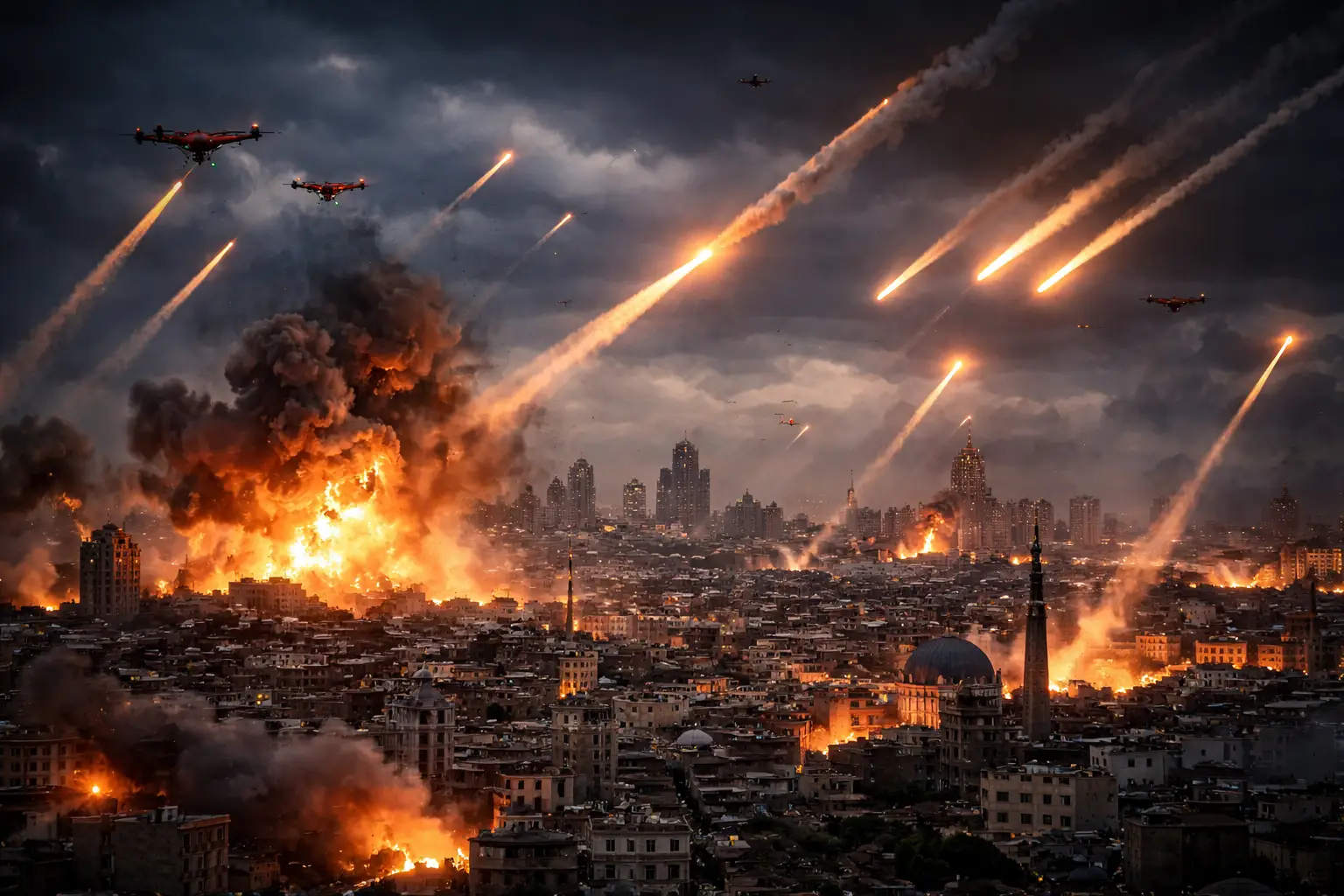
Advertisement



Advertisement
