

Now Reading: Bihar Election 2025 Phase 2 Voting LIVE Updates: Bihar Records 14.55% Turnout by 9 AM
-
01
Bihar Election 2025 Phase 2 Voting LIVE Updates: Bihar Records 14.55% Turnout by 9 AM

Bihar Election 2025 Phase 2 Voting LIVE Updates: Bihar Records 14.55% Turnout by 9 AM


The Editorial Team of Behind The Headlines reports that in the second phase of the 2025 Bihar Legislative Assembly election, the state has recorded a 14.55 % voter turnout by 9 AM across 122 constituencies. Voting began at 7 AM and is underway in 20 districts, with an electorate of over 3.7 crore. This follows a historic first phase where turnout touched record levels.
Voting in the second and final phase of the Bihar Assembly elections has begun, with polling underway from 7 AM across 122 assembly seats in 20 districts. By 9 AM, about 14.55 % of the electorate had already cast their votes. The turnout figure comes amid heightened security arrangements and a politically charged atmosphere — the outcome of this phase will determine which alliance will form the next state government.
Details / Background
- The second phase covers 122 assembly constituencies in regions including Seemanchal, Mithila, Kosi belt, and western Bihar.
- An estimated 3.7 crore voters are eligible to vote in this phase.
- Polling stations opened at 7 AM and are scheduled to close at 5 PM (or as notified).
- The first phase — held earlier — saw a record turnout of around 65 %.
- Early trending indicates 14.55 % turnout by 9 AM, slightly ahead of comparable times in previous phases.
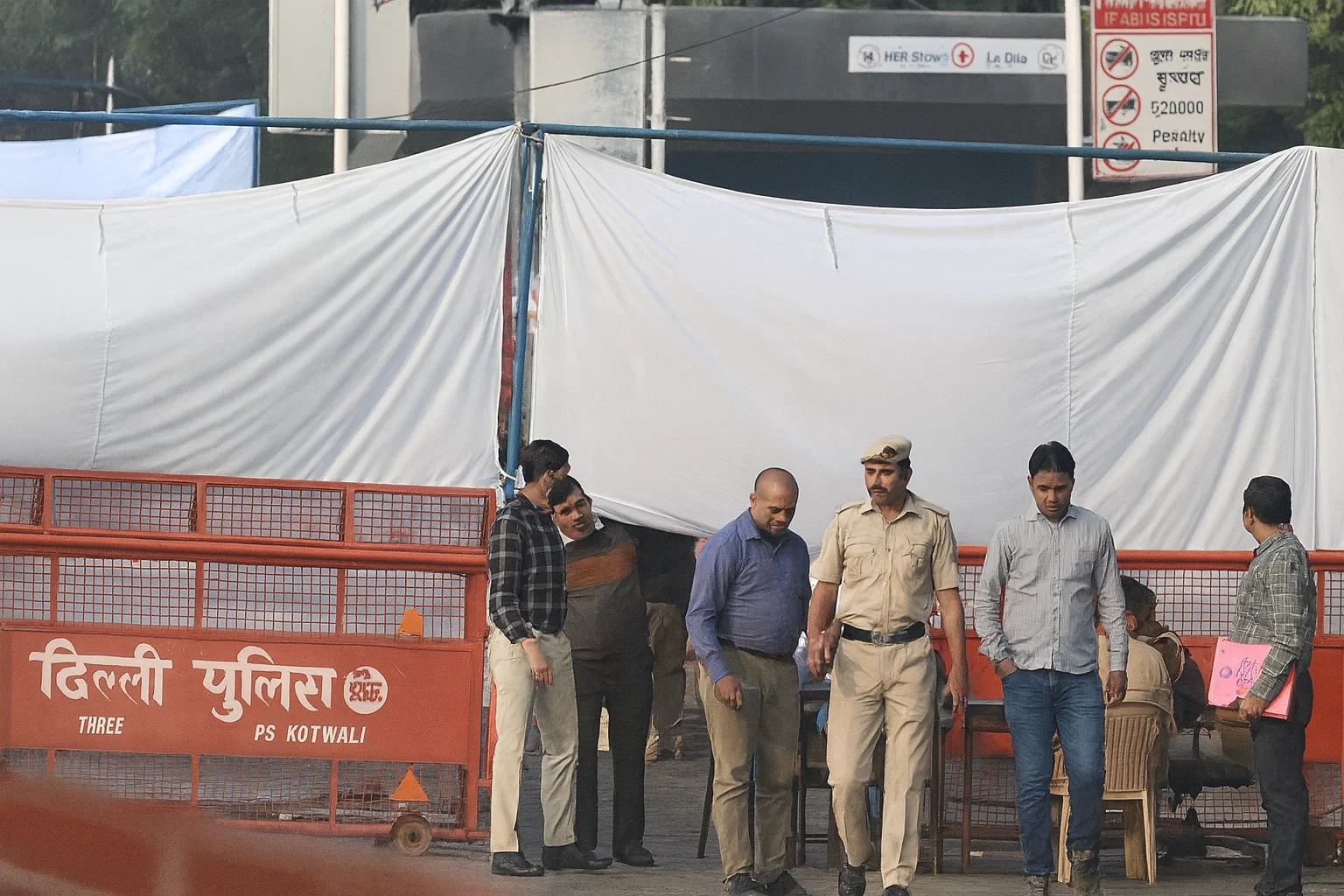
- Security officials have deployed additional forces, multi-layer checks, and “vulnerable booth” watch lists to ensure smooth conduct.
Analysis
The early turnout of 14.55 % by 9 AM suggests that voters are showing up promptly, which may reflect heightened political engagement. If turnout continues strongly through the day, this phase could challenge or exceed the first phase’s record.
However, early figures do not guarantee final turnout or outcome — factors like afternoon voting rate, rural-urban splits, weather, and booth-level issues will influence the final result.
The regions in this phase (such as Seemanchal) have significant minority voter presence and have been battlegrounds in past elections. High early turnout here may signal strong mobilisation by local parties and indicate momentum.
For both the ruling alliance and the opposition, the early engagement is a positive sign — but they will closely monitor mid-day and evening numbers for further insight into voter sentiment and the eventual outcome.
Reactions / Statements
- The ruling party leadership expressed satisfaction at the early turnout, describing it as a “celebration of democracy” and encouraging everyone to vote.
- Opposition leaders highlighted the numbers as a possible sign of change and urged voters to keep coming out throughout the day.
- Election officials confirmed that all polling materials were in place and major constituencies reported smooth opening of booths, though some minor incidents of crowding and logistics delays were noted.
Bigger Picture / Future Impact
This phase’s result will determine the next government in Bihar and may influence national momentum — especially for major alliances. If turnout ends up strong and in favour of one bloc, it could reshape political strategies in neighbouring states.
The early turnout trend may further emphasise increasing voter participation in Bihar — which could prompt political parties to recalibrate their campaign messaging and promises. It also places fresh focus on booth-level dynamics, youth and women voter behaviour, and regional swings.
Beyond this election, the data from turnout and patterns will feed into how parties approach candidate selection, alliances, and campaigning for future state and national polls.
Conclusion
The Editorial Team of Behind The Headlines notes that the 14.55 % turnout by 9 AM in Phase 2 of the Bihar Election signals robust voter engagement at the outset. As the day proceeds, all eyes will be on whether the state can sustain this momentum and what it will mean in the balance of power. Regardless of the outcome, this election’s dynamics will offer valuable insights into evolving voter behaviour in Bihar and beyond.
Internal Links
- Behind The Headlines – “How Bihar’s First Phase of Voting Set a New Turnout Record”
- Behind The Headlines – “Regional Voter Behaviour in Bihar: Trends and Analysis”
- Behind The Headlines – “What Election Turnout Tells Us About Democracy in Indian States”
Related Posts


Stay Informed With the Latest & Most Important News
Previous Post
Next Post

Advertisement







Advertisement
