

Now Reading: “Vote Chori Band Karo!” Rahul Gandhi’s Bihar Yatra Enters Explosive Second Phase
-
01
“Vote Chori Band Karo!” Rahul Gandhi’s Bihar Yatra Enters Explosive Second Phase

“Vote Chori Band Karo!” Rahul Gandhi’s Bihar Yatra Enters Explosive Second Phase

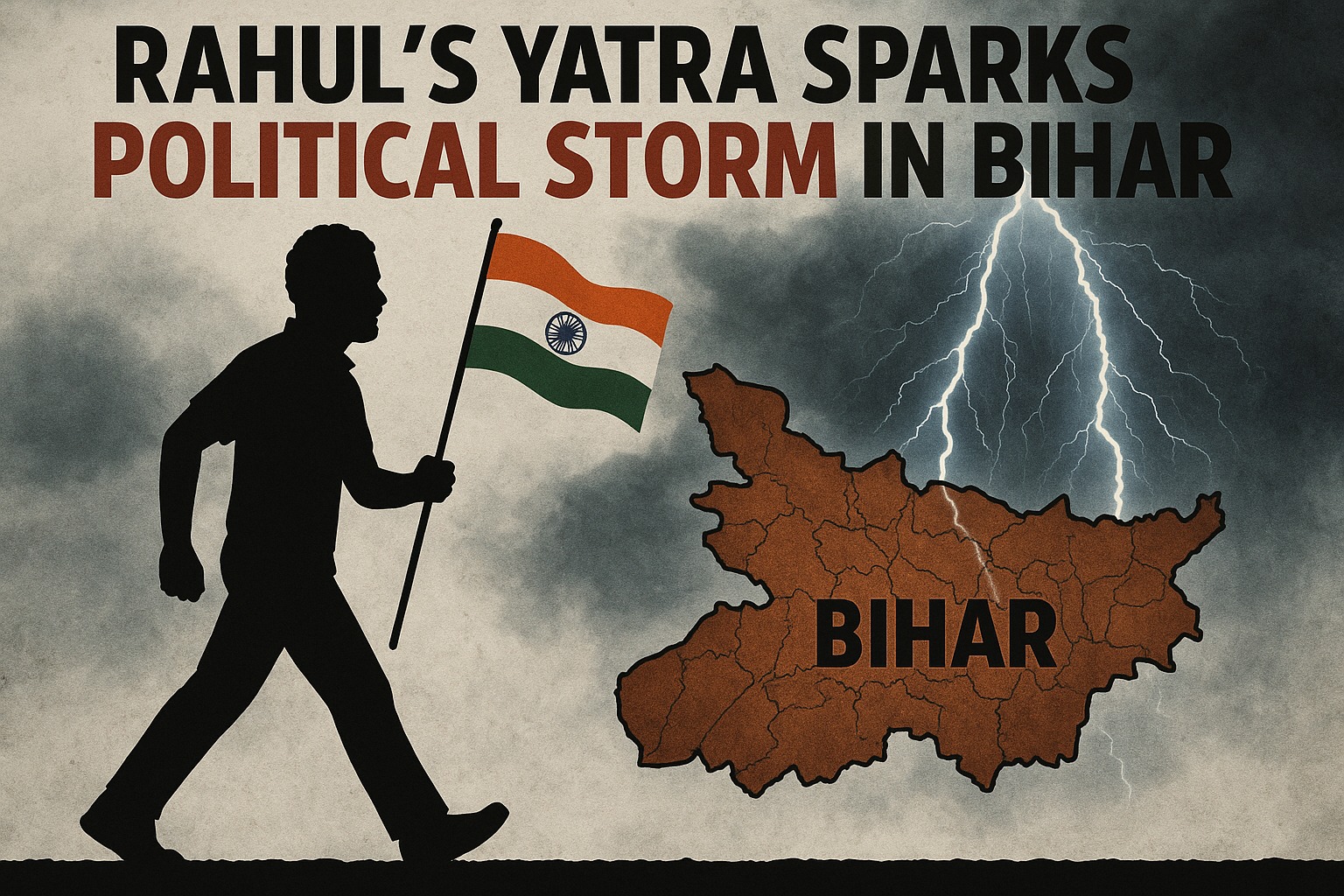
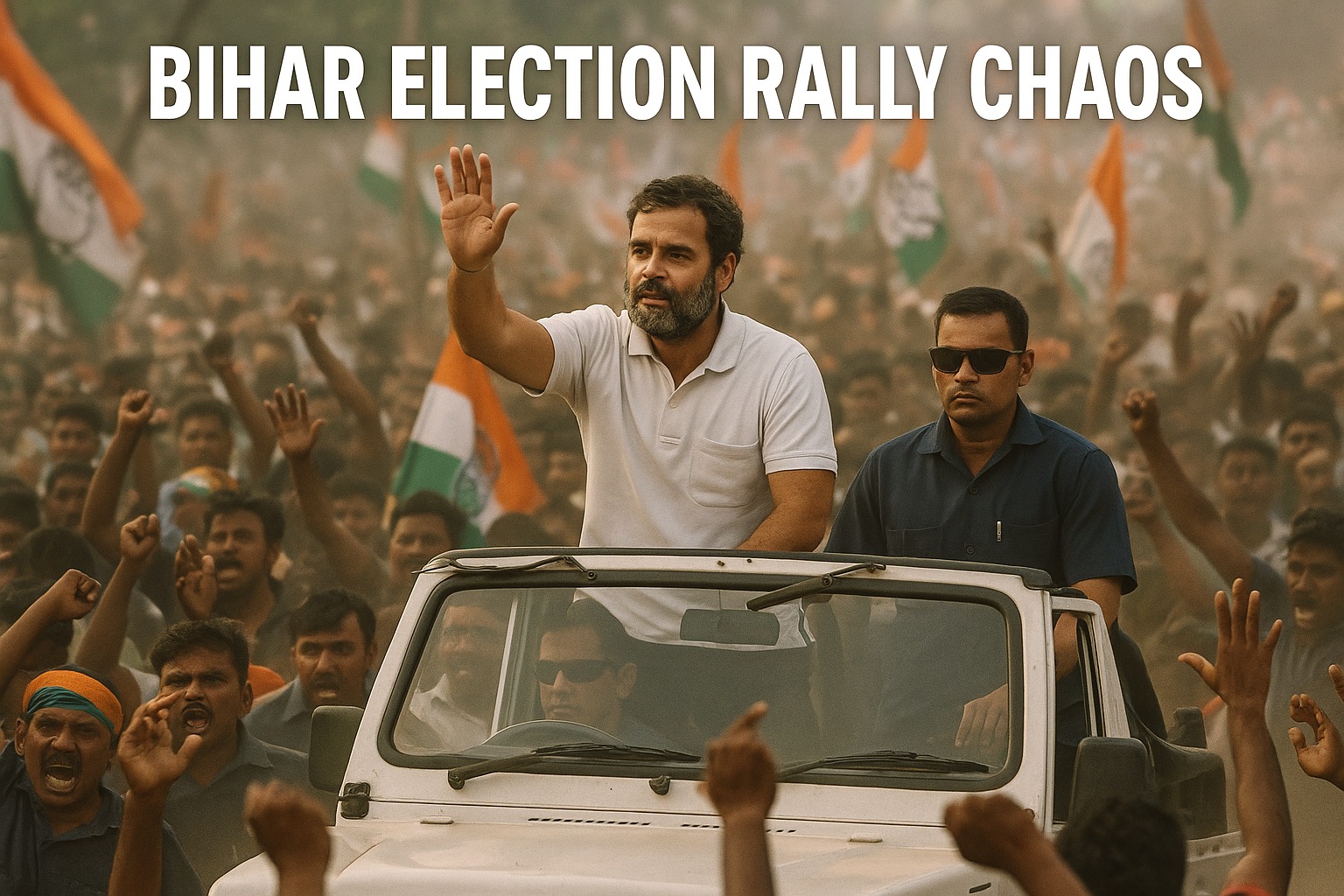
Rahul Gandhi resumed the second leg of his Voter Adhikar Yatra from northern Bihar, with a large crowd of supporters, youth volunteers, and party workers gathering to receive him. The yatra, launched with the promise of protecting voting rights and democratic participation, is being positioned as a direct counter to the ruling NDA’s dominance in the state.
Unlike the first phase, which was largely symbolic and restricted to select districts, the second phase has been designed to be more mass-contact driven, with road shows, padyatras (foot marches), street-corner speeches, and local meetings scheduled across multiple constituencies.
The Core Message: ‘Vote Chori Band Karo’
The central theme of Rahul Gandhi’s campaign remains his repeated allegation of ‘vote chori’ (vote theft). He has claimed that lakhs of names have been deliberately removed from the voters’ list in Bihar, particularly targeting the poor, marginalized, and migrant worker communities.
During his speech, Rahul Gandhi told the gathering that “this fight is not just about an election, it is about saving democracy itself.” He accused the ruling government of manipulating voter rolls and said the yatra’s purpose is to ensure that every citizen gets to exercise their right to vote without fear or exclusion.
Public Response and Ground Sentiment
Crowds in towns like Muzaffarpur, Sitamarhi, and Darbhanga have been significantly larger than expected. Women, students, and farmers were seen participating actively, many raising slogans in support of electoral fairness.
Congress strategists claim that the yatra is gradually reshaping the narrative in Bihar, from being about caste equations alone to focusing on citizens’ rights and fairness in governance. The local response indicates that issues like rising prices, unemployment, and migration are resonating strongly with voters, and Rahul Gandhi is attempting to align these concerns with the larger issue of free and fair elections.
Political Reactions
- The BJP and JD(U) leaders dismissed the yatra as a “political stunt,” alleging that Rahul Gandhi was creating unnecessary doubts about the Election Commission.
- The RJD, Congress’s ally in Bihar, has extended full support, with Tejashwi Yadav reportedly coordinating parallel mobilizations to strengthen the opposition’s presence.
- Independent analysts suggest that while the yatra may not dramatically alter electoral arithmetic, it could shift voter enthusiasm and consolidate anti-incumbency sentiments in some constituencies.
Electoral Significance
With the Bihar Assembly elections less than three months away, every political party is testing new strategies. The Congress sees the Voter Adhikar Yatra as its chance to regain lost ground, particularly in rural and semi-urban areas where it has weakened over the last two decades.
Rahul Gandhi’s decision to personally lead the second leg is also being seen as an attempt to project him as a hands-on leader, contrasting with accusations from rivals that he is a “part-time politician.”
Conclusion
The Voter Adhikar Yatra’s second leg marks an important political moment in Bihar’s pre-election landscape. While it remains to be seen whether it can transform into actual votes on polling day, the campaign has already succeeded in bringing the debate around voting rights, transparency, and democracy to the center of Bihar’s political discourse.
Related Posts



Stay Informed With the Latest & Most Important News
Previous Post
Next Post

Advertisement







Advertisement
