

Now Reading: President Trump Demands COVID-19 Vaccine Makers ‘Justify Their Success’: What It Means for Pharma, Politics, and Public Trust
-
01
President Trump Demands COVID-19 Vaccine Makers ‘Justify Their Success’: What It Means for Pharma, Politics, and Public Trust

President Trump Demands COVID-19 Vaccine Makers ‘Justify Their Success’: What It Means for Pharma, Politics, and Public Trust


Trump Turns Spotlight on Vaccine Makers Again
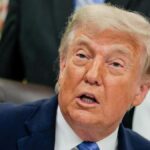
In a move that has reignited debates around the pharmaceutical industry’s accountability, U.S. President Donald Trump has demanded that leading COVID-19 vaccine makers “justify their success” by explaining profits, pricing models, and transparency in reporting side effects. Speaking at a press conference in Washington, Trump framed the issue not only as a matter of public health but also of economic fairness and trust.
The remarks, delivered in the backdrop of the ongoing fight against COVID-19 variants and updated vaccine rollouts, immediately triggered reactions across political, medical, and corporate circles.
The Context: Why This Matters Now
The demand comes at a time when:
- Updated COVID-19 vaccines are being rolled out in the U.S. amid fresh clusters of infections.
- Pharma giants like Pfizer, Moderna, and Johnson & Johnson have reported billions in revenues from COVID vaccines and boosters since 2020.
- Public trust in vaccines has become deeply polarized, with skepticism driven by misinformation, lawsuits, and political rivalries.
- Election politics looms large, with Trump positioning himself as both a critic of “big pharma” and a champion of “accountability to the American people.”
Trump’s Key Arguments
President Trump’s remarks revolved around three central points:
- Profit Transparency: Trump questioned how companies justified their enormous profits at a time when taxpayers funded much of the vaccine research through initiatives like Operation Warp Speed.
- Public Access: He stressed the need for fair pricing so vaccines remain accessible, particularly for middle- and low-income Americans.
- Safety and Reporting: Trump demanded clearer communication on side effects, claiming that “the American people deserve honesty, not spin.”
While he stopped short of calling for new regulations, Trump hinted that his administration could “review incentives” and “explore accountability mechanisms” if the industry fails to explain itself.
Reaction from Drugmakers
Pharmaceutical companies responded cautiously.
- Pfizer reiterated that its vaccine pricing is aligned with international standards and justified by the billions invested in research and global supply chains.
- Moderna defended its profits, citing reinvestment into next-generation vaccines, including those for flu and cancer.
- Johnson & Johnson emphasized its role in equitable distribution, pointing to doses delivered at lower costs to developing nations.
Industry leaders argued that success was the result of innovation and unprecedented speed, not profiteering. Still, Trump’s framing has put them on the defensive.
Political and Public Reactions
- Supporters of Trump hailed the move as a bold step to hold “big pharma” accountable. Many see it as consistent with his populist positioning against corporate greed.
- Critics accused Trump of politicizing public health and undermining vaccine confidence at a critical time. They argued that such statements risk feeding vaccine hesitancy.
- Public health experts walked a fine line—acknowledging the importance of transparency but warning that aggressive rhetoric could erode trust further.
The Bigger Battle: Public Trust vs. Corporate Profits
This controversy highlights a deeper struggle:
- Public Trust: Vaccine confidence has taken a hit globally. Demands for justification may resonate with skeptics who already question pharmaceutical intentions.
- Corporate Accountability: Pharma firms are under scrutiny for how they balance profits with responsibility, especially since much of the funding was public.
- Political Capital: For Trump, this is also about reasserting his “America First” stance and leveraging health debates for political advantage.
Implications for the 2025 Political Landscape
Trump’s remarks could shape multiple narratives:
- Election Strategy: His push aligns with populist rhetoric that pits ordinary Americans against elite corporations.
- Policy Direction: Depending on how debates evolve, Congress may revisit vaccine pricing and subsidy models.
- Pharma’s Response: Companies may choose to voluntarily increase transparency to avoid stricter regulations.
The Road Ahead for Vaccine Policy
While no immediate regulatory changes have been announced, the episode underscores that COVID-19 vaccines remain not just a health issue but a political flashpoint.
- For the public: It raises questions about affordability, trust, and information.
- For the government: It tests how far leaders can pressure private companies without hurting innovation.
- For the industry: It’s a reminder that financial success comes with heightened scrutiny.
The next few months will reveal whether Trump’s challenge leads to concrete changes or simply remains a campaign soundbite.
Related Posts



Stay Informed With the Latest & Most Important News
Previous Post
Next Post


Advertisement







Advertisement
