

Now Reading: Online Gaming Ban 2025: A Month Later, How India’s Fantasy Giants Are Fighting Back
-
01
Online Gaming Ban 2025: A Month Later, How India’s Fantasy Giants Are Fighting Back

Online Gaming Ban 2025: A Month Later, How India’s Fantasy Giants Are Fighting Back

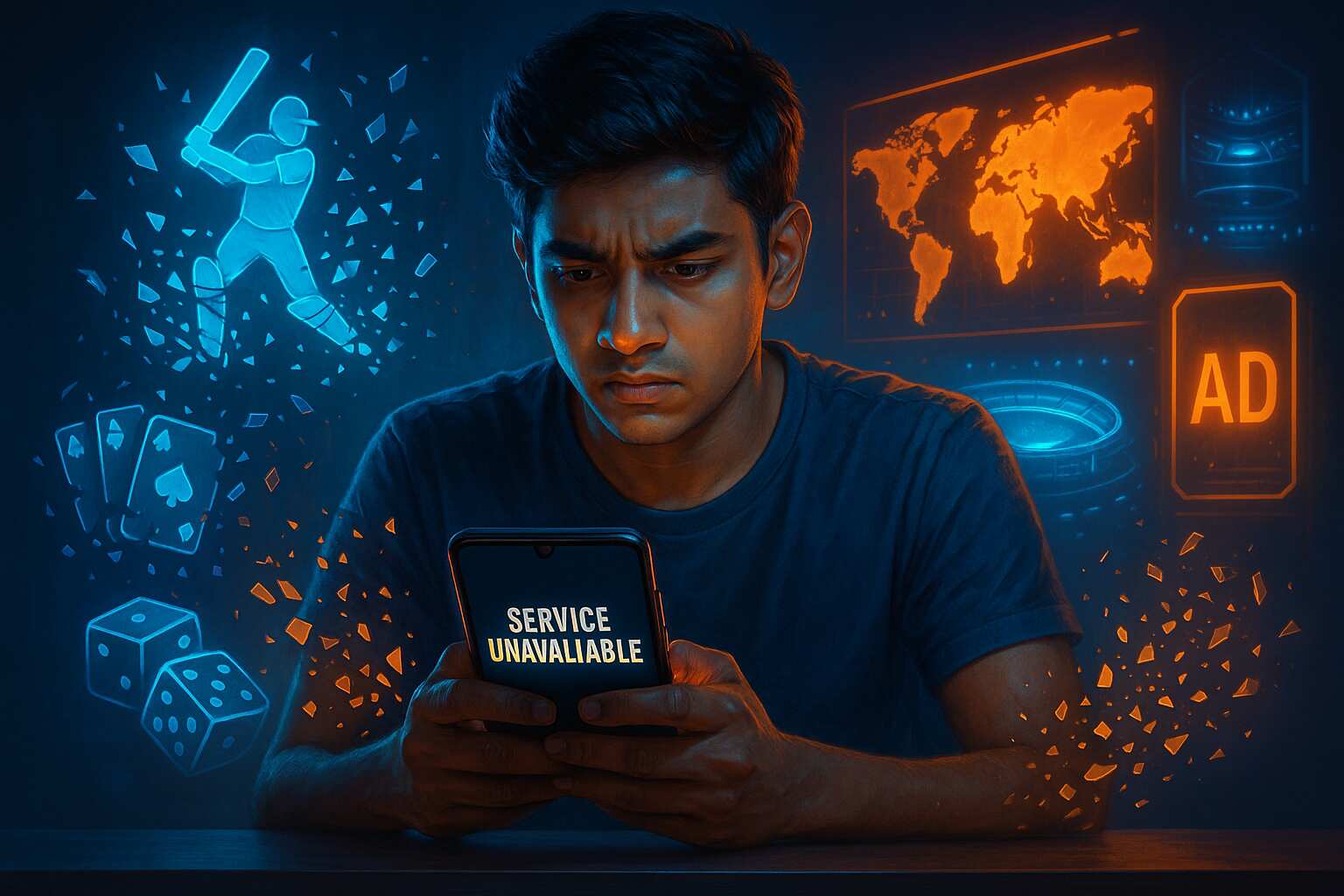
It was a Sunday evening in late August when Rohit, a college student in Bengaluru, opened his Dream11 app to check his fantasy cricket team. Instead of the colorful dashboard he was used to, a single line appeared on the screen: “Service unavailable due to regulatory changes.”
For millions of Indians like Rohit, this was more than just a technical glitch. It was the abrupt pause of a habit, a passion, and for some, even a livelihood. The Indian government’s sudden ban on real-money gaming had shaken one of the country’s fastest-growing industries — an industry worth more than ₹23,000 crore annually.
But almost a month later, the story is not about defeat. It is about reinvention.
The Shockwave of a Ban
When the government announced its decision in August 2025, it justified the move as a safeguard against addiction, financial distress, and the blurred line between games of skill and chance. Overnight, over 50 crore registered users across apps like Dream11, MPL, Zupee, and WinZo were locked out.
Within days, the fallout became visible:
- Thousands of jobs at risk, from engineers to customer support staff.
- ₹1,200–1,500 crore in revenue lost in the first two weeks.
- Esports lounges and gaming cafés reporting a 30% dip in footfall.
- Investors suddenly freezing funding rounds worth millions.
The ban had turned what was once a symbol of India’s digital ambition into a story of survival.
Reinventing the Playbook
Yet, the industry didn’t stay silent. Boardrooms buzzed, investors pressed for answers, and founders drew up emergency strategies. Out of the chaos, a new playbook began to emerge.
- Ad-Supported Games: Platforms like WinZo rolled out free-to-play versions, where in-app ads and brand tie-ups replaced entry fees. Engagement dipped, but users stayed connected.
- Esports Tournaments: MPL quickly pivoted to esports events, positioning them as skill showcases rather than gambling. Analysts already see this as a ₹5,000 crore opportunity by 2027.
- Global Moves: Some startups quietly registered entities in Dubai, Singapore, and Nairobi, seeking friendlier regulations. Insiders say at least four firms are preparing to launch overseas versions of their apps.
- Gamified Learning: Ed-tech flavored apps, where users earn vouchers instead of cash, are being tested — a bid to repurpose gaming mechanics for “productive engagement.”
The Human Cost
But amid the innovation, the cracks remain. “I’ve worked with MPL for four years. Overnight, my salary was cut by 40%,” said a software developer who requested anonymity.
Players too feel the void. “Fantasy cricket wasn’t just about money. It was about bragging rights with friends,” Rohit, the college student, told us. “Now weekends feel empty.”
Investors, meanwhile, are torn. One venture capitalist explained: “We’ve put nearly $2 billion into India’s RMG startups. If they shift overseas, India loses not just revenue but innovation.”
What Lies Ahead
The industry today stands at a crossroads:
- Regulation vs. Ban: Experts argue for a licensing model with age limits and spending caps, instead of blanket prohibition.
- Esports Boom: By banning cash-entry games, the government may have accidentally given esports its breakout moment in India.
- Unregulated Risks: With legal apps gone, users may drift to unregulated foreign platforms, raising data and security concerns.
Beyond Numbers: A Bigger Story
This ban isn’t just about apps. It’s about India’s digital economy dream. The sector employed 75,000+ people directly and indirectly, contributed taxes to state governments, and attracted billions in global investment.
If the industry migrates abroad, India risks losing not only jobs but also credibility as a hub for digital innovation.
Conclusion
Almost a month since the ban, India’s real-money gaming industry has gone from a booming success story to a survival experiment. Companies are rewriting their rules, investors are recalculating risks, and users are left in limbo.
For now, the question remains: is this the end of fantasy leagues in India, or the beginning of an esports revolution?
Either way, the game has changed — and the next move will decide the fate of an industry that once symbolized India’s digital rise.
Data Snapshot: Before vs After Ban
| Metric | Pre-Ban (July 2025) | Post-Ban (Sept 2025) |
|---|---|---|
| Monthly Active Users | 100M+ | <40M |
| Industry Revenue | ₹2,000 crore/month | <₹700 crore/month |
| Ad Spending | ₹400 crore (IPL) | <₹150 crore |
| VC Funding Inflows | $600M (2024) | <$50M (2025) |
Related Posts


Stay Informed With the Latest & Most Important News
Previous Post
Next Post


Advertisement







Advertisement
