

Now Reading: Software Firms Push Back Against Fears AI Will Replace Them
-
01
Software Firms Push Back Against Fears AI Will Replace Them


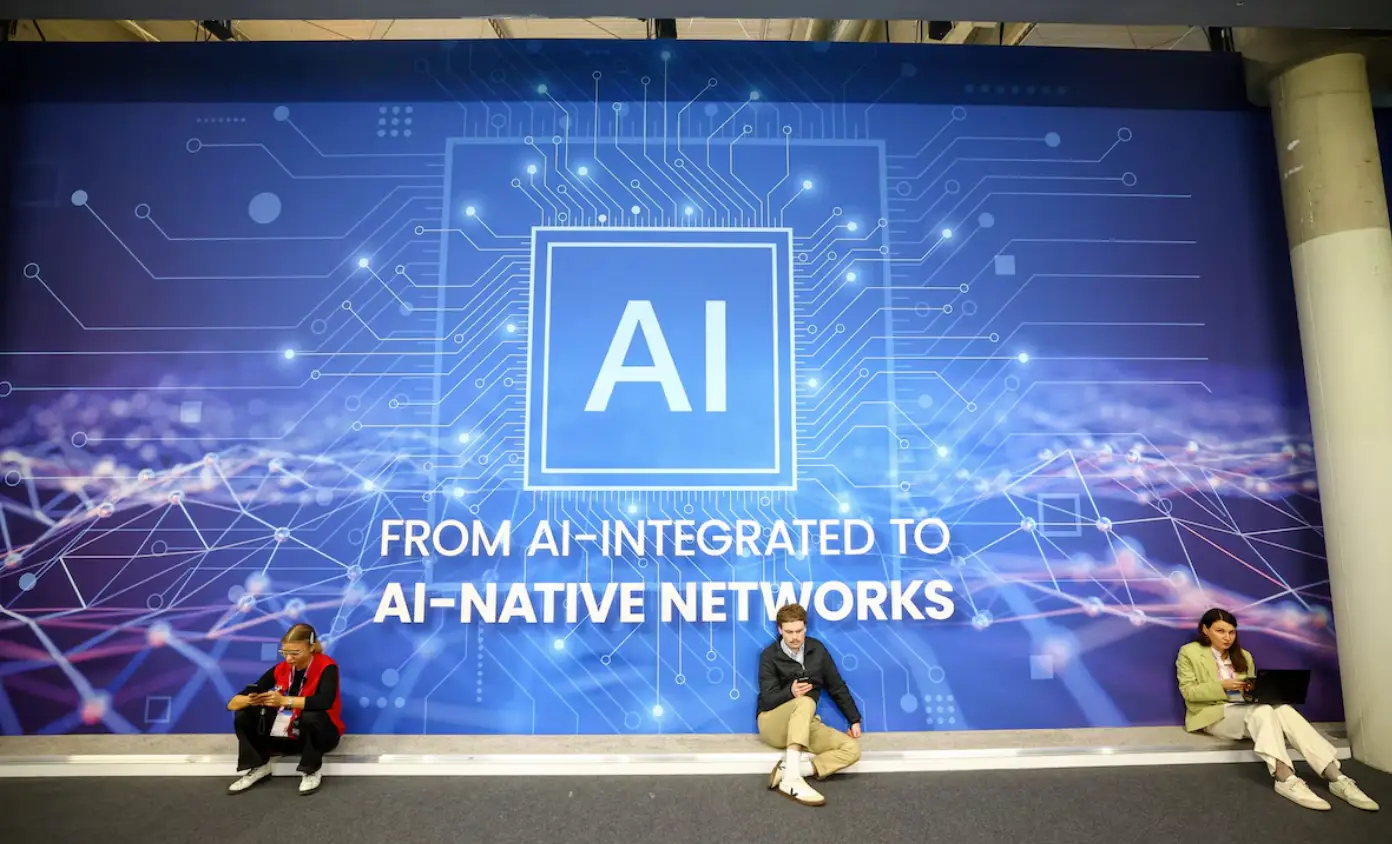
Major software companies are defending their business models as fears grow that artificial intelligence could disrupt the traditional software industry.
Concerns about AI replacing conventional software services have intensified after new automation tools demonstrated the ability to perform tasks that previously required specialized software platforms. However, technology leaders argue that AI will transform the industry rather than eliminate it.
Software-as-a-Service (SaaS) firms have been under pressure in recent months as investors question whether AI agents and advanced automation tools could reduce the need for many traditional enterprise software products. The debate intensified after powerful AI plugins released by startups triggered a major sell-off in technology stocks, wiping out roughly $1 trillion in value across the software sector.
Executives from major companies say those fears are overstated. Leaders in the industry argue that AI is becoming a core component of their platforms and will enhance their products rather than replace them. Mike Sicilia, an executive at Oracle, said the company is embedding artificial intelligence deeply into its services to automate business processes and improve productivity for enterprise clients.
Similarly, executives at Salesforce maintain that their platforms have strong long-term relevance because they are deeply integrated into corporate operations and manage vast amounts of business data. According to the company, the growing use of AI within its ecosystem is expected to strengthen rather than weaken its software offerings.
The Editorial Team of Behind The Headlines reports that analysts believe companies with access to large proprietary datasets may have a strong competitive advantage in the AI era. Firms that control extensive enterprise data — including customer records, financial information and operational workflows — can train AI systems to deliver more accurate insights and automation tools. In contrast, companies whose platforms rely on more standardized data may face greater disruption as AI tools become more capable.
Industry developments also show that software companies are restructuring to adapt to the rapid rise of artificial intelligence. Collaboration-software maker Atlassian recently announced plans to cut about 10 percent of its workforce, roughly 1,600 jobs, as part of a broader strategy to pivot toward AI-driven products and enterprise services. The company said the shift reflects changing technology demands rather than the disappearance of software itself.
Despite short-term market turbulence, many experts say AI could ultimately expand the software industry by creating new categories of digital services. Instead of replacing software platforms entirely, AI systems are increasingly being integrated into them to automate tasks, analyse large datasets and assist users in decision-making. Analysts note that this transformation could drive productivity gains and open new revenue opportunities for technology companies.
As artificial intelligence continues to reshape the technology landscape, software companies are racing to incorporate the technology into their platforms. Industry leaders argue that the companies best positioned to succeed will be those able to combine advanced AI capabilities with deep enterprise data and established customer networks.
Related Posts



Stay Informed With the Latest & Most Important News
Previous Post
Next Post


Advertisement









Advertisement
