

Now Reading: Bihar Election 2025: Voters Put Interests Above Caste
-
01
Bihar Election 2025: Voters Put Interests Above Caste


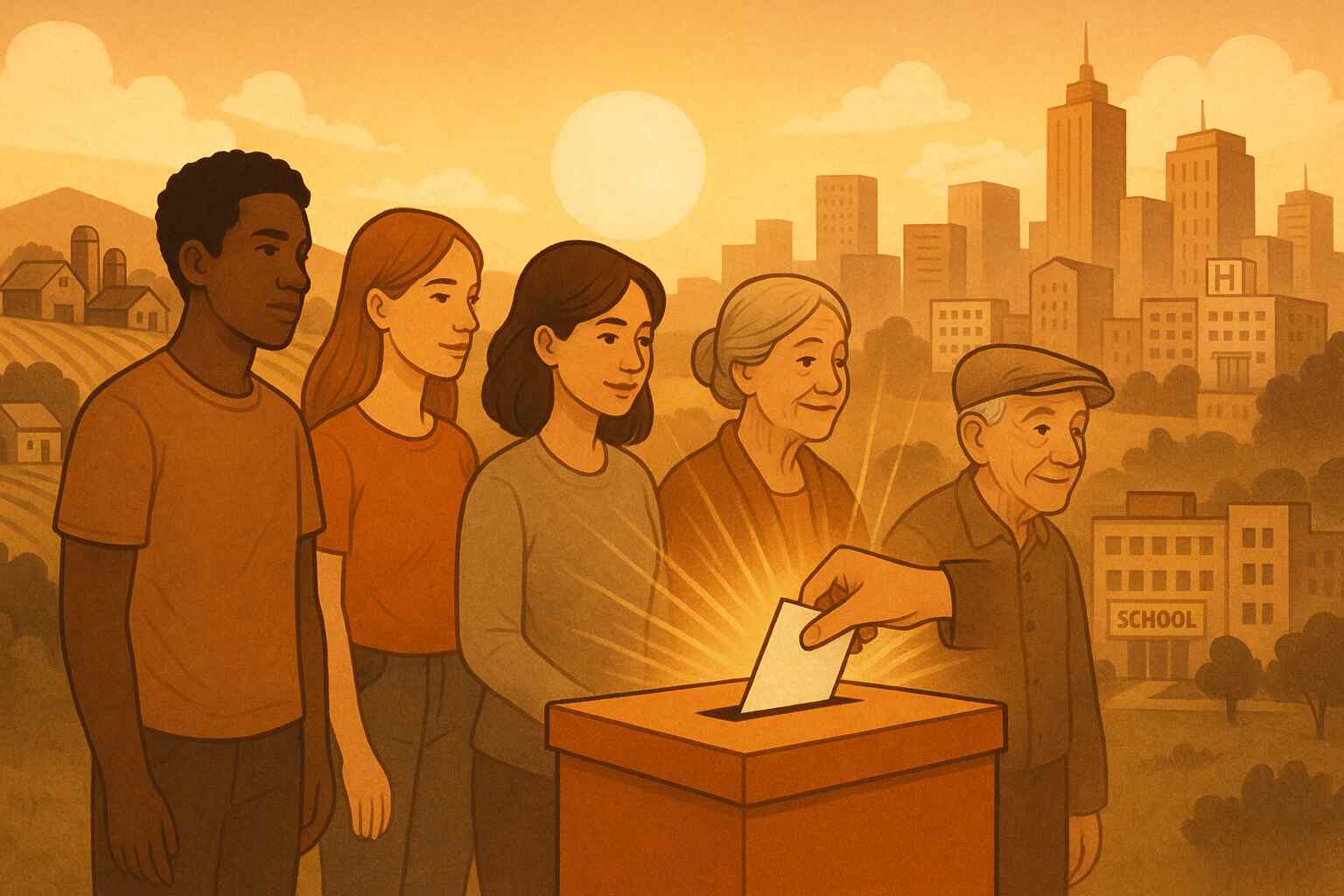
Bihar is once again at the heart of India’s political battleground as the Assembly Election 2025 approaches. But this time, something unusual is unfolding. For decades, the politics of Bihar has revolved around caste identities, with voters often divided along social lines. Yet, the current election atmosphere reflects a change—people are openly talking about their own interests, aspirations, and local issues rather than just caste equations.
This shift signals a major transition in Bihar’s democratic journey. From Patna to Gaya, from Siwan to Purnia, conversations in tea stalls, markets, and households reveal an electorate asking tougher questions on jobs, infrastructure, education, and social welfare.
A historic election for Bihar
The 2025 Bihar Assembly polls are being called historic because of two key reasons:
- First major state election after national political realignment: With changing alliances at the central level and a new balance of power in Delhi, Bihar’s election carries added weight.
- Emergence of issue-based debates: Unlike earlier polls where caste identity often overshadowed governance discussions, this time development vs. identity politics has become a central theme.
This does not mean caste has disappeared—it remains a deeply rooted social factor. But its dominance is being challenged by aspirations of youth and marginalized groups seeking real progress.
Voters demand jobs and livelihood security
Unemployment has become one of the strongest issues on the ground. Bihar’s youth, particularly in districts like Darbhanga, Arrah, and Patna, are vocal about the lack of stable employment opportunities.
- Migrant workers who returned during the pandemic still recall the struggle of joblessness.
- Young graduates preparing for government exams are demanding transparency and fairness in recruitment.
- Private sector investment remains limited, leading to frustration among skilled workers.
For the first time, leaders are being questioned not only about caste representation but about how they will create jobs and ensure livelihood security.
👉 Read how Bihar’s job crisis is shaping political promises
Development and infrastructure concerns
Roads, electricity, healthcare, and schools continue to dominate people’s concerns.
- Rural voters in Nalanda and Madhubani complain about poor road connectivity and lack of modern healthcare facilities.
- Farmers are demanding irrigation reforms and better market support for their crops.
- In urban centers like Patna and Muzaffarpur, middle-class families are raising concerns over rising living costs and weak municipal governance.
The shift is clear: while caste identity still influences political allegiance, people are now equally, if not more, interested in who can deliver on development promises.
The caste factor: Still present but diluted
Caste remains a powerful element in Bihar politics, with alliances often crafted around it. However, voters are displaying maturity by combining identity with issue-based thinking.
For instance:
- Traditional vote banks of Yadavs, Kurmis, and Dalits are still considered crucial.
- Yet within these communities, younger voices are pushing leaders to talk about skills, scholarships, and better representation in jobs.
Political analysts believe this blending of caste and class interests could redefine Bihar’s political narrative.
Reactions from the ground
- Students: “We don’t want slogans anymore. We want jobs,” says Ravi Kumar, a 22-year-old preparing for railways exams.
- Farmers: “Loan waivers don’t help us. We want better mandi prices and assured irrigation,” says Ram Babu from Bhojpur.
- Women voters: In several constituencies, women are prioritizing safety, healthcare, and schemes like LPG subsidies over caste loyalty.
These voices indicate that the 2025 polls may be fought more on performance than promises.
Political strategies in response
Recognizing the mood, parties are adjusting their campaigns:
- Ruling alliances highlight continuity of welfare schemes like housing and electricity.
- Opposition groups are focusing on youth employment and corruption-free governance.
- Regional players are tailoring manifestos with promises of local development rather than caste-specific benefits.
👉 Explore our report on Bihar’s evolving political strategies
The bigger picture
The shift in Bihar reflects a broader national trend. Across India, voters are demanding governance accountability over traditional divides. For Bihar, this change is especially significant given its history of caste-driven politics.
If issue-based voting gains traction, it could:
- Push parties to invest in real development.
- Encourage cleaner and more transparent governance.
- Set an example for other states with similar caste-driven dynamics.
Backlinks for context
- Why jobs remain Bihar’s biggest election challenge
- How caste equations have shaped past Bihar elections
- Understanding India’s shift towards issue-based politics
Conclusion
The Bihar Assembly Election 2025 may go down in history as the election where voters began prioritizing their own needs over traditional caste loyalties. From jobs to development, from education to healthcare, people are seeking tangible change.
While caste identities still influence alliances, the shift in public conversation indicates a maturing democracy. This evolution could reshape Bihar’s future—making politics less about who you are, and more about what you deserve.
Related Posts



Stay Informed With the Latest & Most Important News
Previous Post
Next Post

Advertisement







Advertisement
