
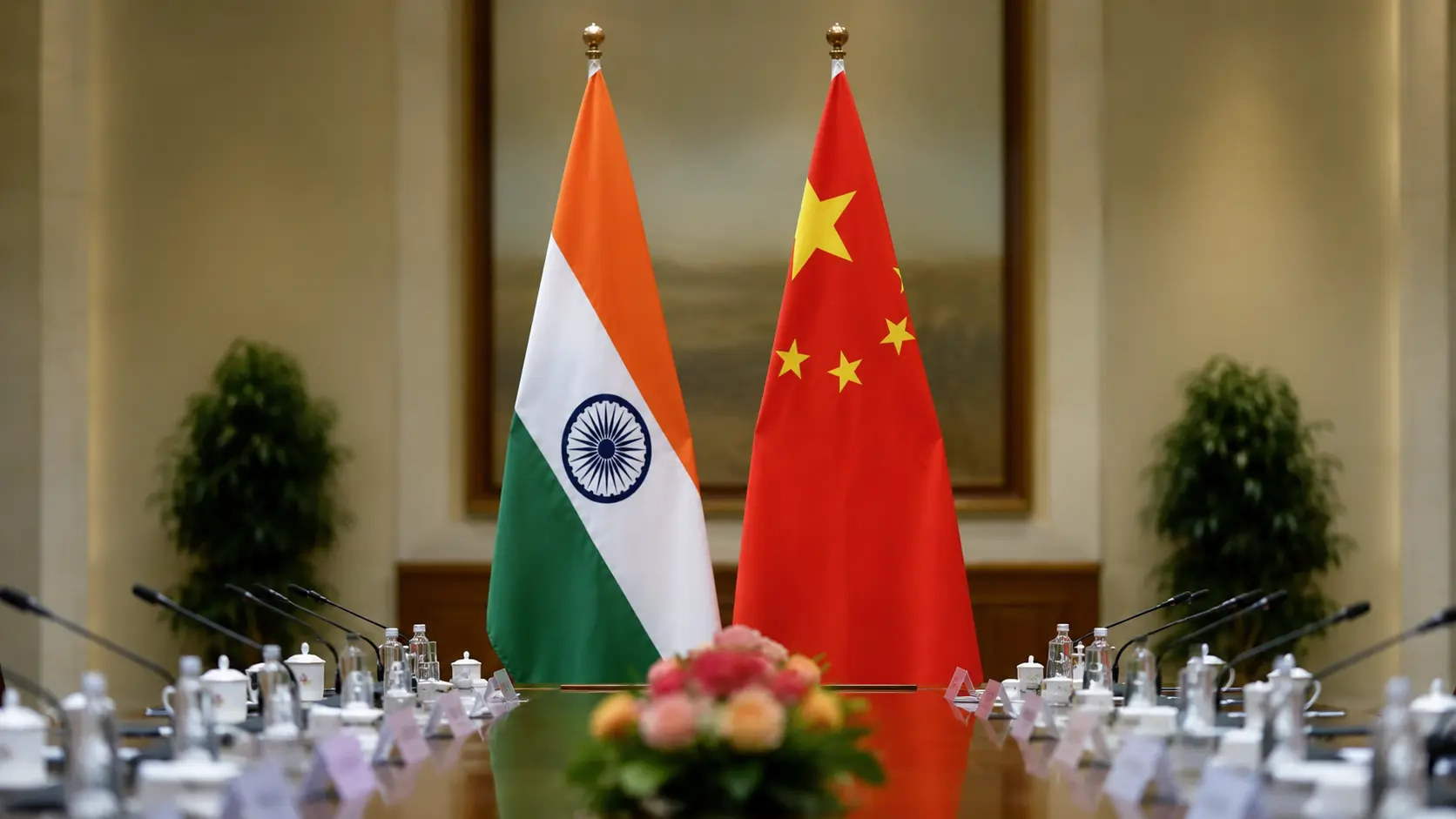
India and China, Asia's two largest economies and neighbours sharing a disputed border of nearly 3,500 kilometres, are navigating a gradual improvement in bilateral ties after years of heightened tensions. While diplomatic engagement has increased over the past year, both countries continue to approach the relationship with caution, balancing cooperation in trade and global forums against unresolved security concerns along the Line of Actual Control (LAC).
What Changed After the 2020 Border Crisis?
Relations between India and China deteriorated sharply following the military standoff in eastern Ladakh in 2020. The clashes resulted in casualties on both sides and led to a freeze in several aspects of bilateral engagement, including political exchanges, connectivity initiatives and people-to-people contacts.
Since then, both governments have maintained military and diplomatic dialogue through established mechanisms aimed at reducing tensions. Recent agreements on patrolling arrangements and disengagement at certain friction points have contributed to a more stable security environment, although the broader boundary dispute remains unresolved.
Why Are Relations Improving Now?
The recent thaw reflects a shared interest in stabilising ties while protecting national interests.
High-level meetings between officials from both countries have resumed, with discussions covering border management, trade, regional security and multilateral cooperation. Diplomatic engagement has also expanded through forums such as BRICS, the Shanghai Cooperation Organisation (SCO) and the G20. Recent talks involving senior Indian and Chinese officials are seen as part of efforts to sustain dialogue and prepare for future leadership engagements.
Both countries also recognise the importance of maintaining stable relations given their growing economic influence and interconnected regional interests.
Trade Remains Strong Despite Strategic Differences
Economic ties have remained resilient despite political and military tensions.
China continues to be one of India's largest trading partners, with bilateral trade spanning electronics, pharmaceuticals, machinery, chemicals and industrial inputs. However, India has consistently expressed concern over its significant trade deficit with China and has sought greater market access for Indian products.
At the same time, New Delhi has maintained tighter scrutiny of Chinese investments in sensitive sectors under regulations introduced after 2020, reflecting continued security considerations even as commercial engagement gradually recovers. Recent data show approvals for Chinese investment remain limited compared with other jurisdictions.
What Are the Major Challenges?
Despite improving engagement, several issues continue to shape the relationship:
The unresolved boundary dispute and the need for lasting peace along the LAC.
Strategic competition in the Indo-Pacific region.
India's concerns over China's close ties with Pakistan.
Trade imbalances and market access.
Supply-chain security and access to critical technologies and minerals.
These issues mean that any improvement in bilateral ties is likely to be gradual rather than transformative.
Areas of Cooperation
Alongside strategic differences, India and China continue to cooperate in several areas.
Both countries are members of BRICS, the SCO and other multilateral platforms where they work on issues including economic development, climate change, global financial reform and international governance. Recent steps to restore border trade through the Shipki-La pass after several years also indicate efforts to rebuild practical cooperation in selected areas.
What Lies Ahead?
Experts widely view the current phase as one of cautious normalisation rather than a full strategic partnership. Continued diplomatic dialogue, military confidence-building measures and economic engagement could help maintain stability, but progress will depend on sustained efforts to address the underlying causes of mistrust.=
For both countries, the challenge will be to expand cooperation where interests converge while managing differences without allowing them to escalate into renewed confrontation.