
India's examination system has once again become the focus of parliamentary attention following renewed efforts to strengthen safeguards against paper leaks and organised examination fraud. The discussion comes after recent controversies surrounding competitive examinations, including NEET, intensified calls for stronger legal and administrative measures to protect the credibility of public recruitment and entrance tests.
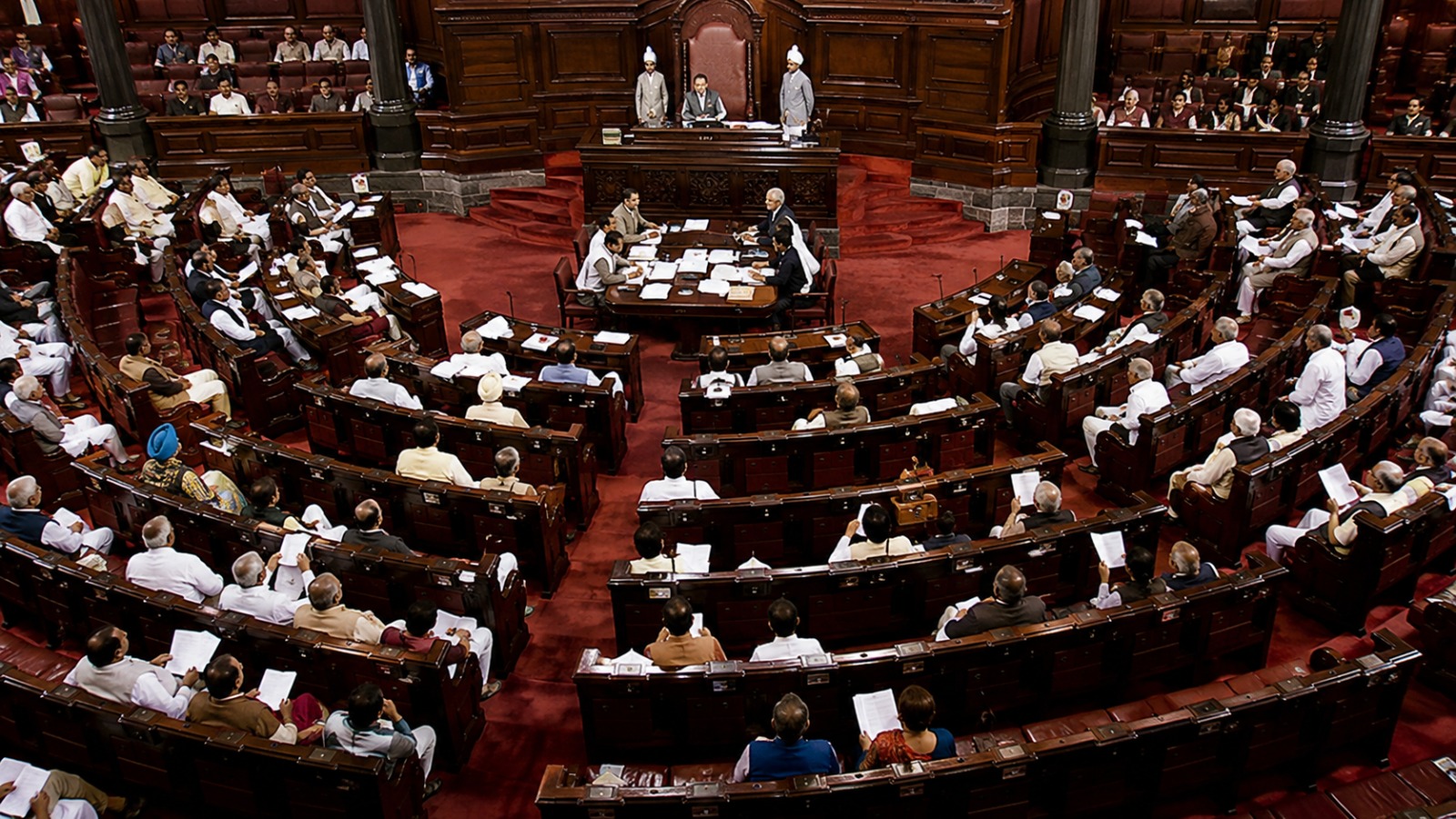
The Rajya Sabha recently debated and cleared the Public Examinations (Prevention of Unfair Means) Amendment Bill, 2026, which seeks to strengthen the existing legal framework introduced through the Public Examinations (Prevention of Unfair Means) Act, 2024. The legislation aims to deter organised malpractice, accelerate investigations, and improve the integrity of examinations conducted by central agencies.
The original 2024 Act was enacted to curb unfair practices in examinations conducted by agencies such as the National Testing Agency (NTA), Union Public Service Commission (UPSC), Staff Selection Commission (SSC), Railway Recruitment Boards (RRBs), Institute of Banking Personnel Selection (IBPS), and other notified public authorities. It criminalised organised paper leaks, impersonation, unauthorised access to question papers, and collusion by service providers involved in conducting examinations.
The amendment follows renewed concerns over examination security after the cancellation and subsequent re-conduct of the NEET examination earlier this year following allegations of a paper leak. The incident prompted nationwide debate over examination governance and highlighted the need for faster investigations and stronger deterrence against organised cheating networks.
According to the amendment, penalties for individuals found guilty of using unfair means are proposed to increase significantly. Organised criminal networks involved in examination fraud may face higher minimum prison terms and substantially larger financial penalties. The Bill also proposes time-bound investigations, Special Fast Track Courts, Special Public Prosecutors, and quicker disposal of appeals to ensure cases move through the justice system more efficiently.
The Rajya Sabha debate reflected broad concern over maintaining the credibility of India's competitive examination system, although members differed on the effectiveness of legal penalties alone. Several participants argued that alongside stricter punishment, reforms in examination administration, digital security, question paper handling, and institutional accountability remain essential to preventing future irregularities.
Public examinations in India determine admission to higher educational institutions as well as recruitment to government services, making their credibility central to public confidence. Large-scale examinations such as NEET, JEE, CUET, UPSC Civil Services, SSC recruitment tests and railway recruitment examinations collectively involve millions of candidates every year. Any disruption caused by paper leaks or organised malpractice has wide-ranging implications for students, recruitment agencies and educational institutions.
The government has maintained that the strengthened legislation is intended to create a stronger legal deterrent against organised examination fraud while improving the speed of investigation and prosecution. Official statements accompanying the amendment also emphasise that protecting merit-based selection remains one of the key objectives of the proposed changes.
Education policy experts have frequently noted that legislation is one component of examination reform, alongside improvements in technology, encryption of examination materials, secure logistics, surveillance systems, institutional oversight and coordination between examination authorities and law enforcement agencies. These measures are increasingly being viewed as complementary to legal safeguards in maintaining examination integrity.
As the amendment moves through the legislative process, its implementation will be closely watched by examination authorities, educational institutions and millions of aspirants who rely on transparent and credible public examinations. The effectiveness of the strengthened legal framework will ultimately depend on timely enforcement, institutional preparedness and continued improvements in examination administration.
Behind The Headlines is a special editorial segment that explains the context behind major developments through verified facts, official data and publicly available information.